In short
- A conference facilitator guides the flow of a whole day, keeps sessions on time and draws the room into the content, rather than simply reading out the running order.
- A host or MC is closer to a performer who carries energy and polish; a chair is usually a subject expert steering a panel or session.
- The roles overlap heavily, which is why one experienced person can often cover facilitation and hosting in a single booking.
- The real work is invisible: managing the after-lunch dip, reining in speakers who over-run, and making Q&A feel like a conversation instead of an awkward silence.
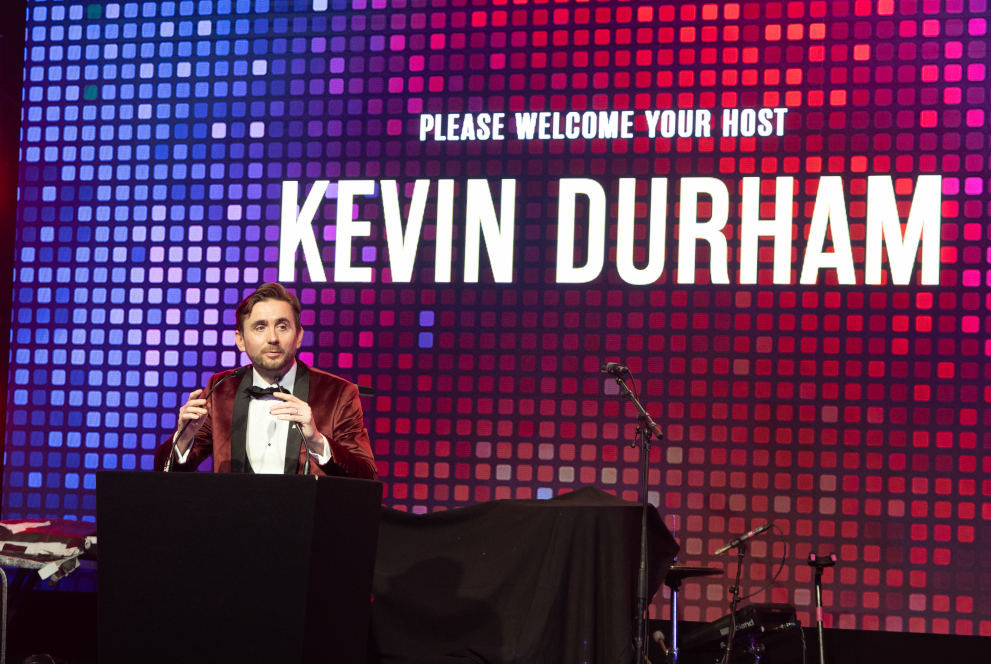
- I have spent 20 years running rooms this way, including interviewing Deborah Meaden at the Linnworks conference, so the day feels produced rather than improvised.
I have lost count of the number of conference days I have watched go quiet at two in the afternoon. The content was strong, the speakers knew their material, and yet the room drifted, because nobody was actually holding the day together. That gap is what a conference facilitator is there to fill, and it is a very different job from standing at a lectern reading names off a card. Below is what the role really involves, how it differs from a host, an MC and a chair, and when you need which.
What is a conference facilitator?
A conference facilitator is the person responsible for the flow of the event: the transitions between sessions, the timing, the energy of the room and the way the audience engages with the content. The International Association of Facilitators describes facilitation as helping a group think together and reach outcomes, with the facilitator acting as an impartial process guide rather than the content expert. In a corporate conference that translates into keeping the day on track so the speakers and delegates can focus on the substance.
That impartiality matters. The facilitator is not there to push their own view or to be the star. They are there so the agenda lands, the audience stays with it, and the client’s message gets through cleanly from the first session to the last.
What does a conference facilitator do on the day?
On the day, a conference facilitator opens the event, sets the tone, links each session to the next, manages the clock and runs audience interaction such as Q&A and panels. It sounds simple written down. It is not, because most of the job is reacting to what is happening in the room in real time.
A typical day for me includes:
- Opening with enough energy to wake the room up and enough control to reassure a blue-chip client.
- Introducing each speaker with a briefed, accurate lead-in, including pronunciation checks on every name.
- Watching the clock so an over-running speaker does not eat the break or the closing session.
- Reading the room after lunch and adjusting the pace before the dip sets in.
- Chairing or steering Q&A so it stays useful rather than drifting or dying.
- Closing the day so people leave with the key message, not just relief that it is over.
I have hosted this kind of day for finance, retail and technology brands, and the pattern is always the same: the visible presenting is maybe a fifth of the work. The rest is judgement.
Conference facilitator vs host: what is the difference?
The honest answer is that the difference is one of emphasis, not a hard line. A conference facilitator leans towards process, neutrality and drawing out the audience; a host or MC leans towards performance, warmth and carrying the energy of the room. In practice the strongest events want both, which is why the labels blur.
Think of it as a spectrum:
| Role | Main focus | Best when |
|---|---|---|
| Facilitator | Flow, timing, drawing out the room | Interactive days, workshops, panels |
| Host / MC | Energy, polish, audience warmth | Awards, launches, high-profile stages |
| Chair | Steering discussion on a topic | A single panel or technical session |
Most corporate conference days sit in the middle. You want someone with the neutral, keep-it-moving discipline of a facilitator and the stage presence of a host. For more on the presenting side of that, my conference host page walks through how I run a full day.
How does a conference chair differ from a host?
A conference chair is usually a subject-matter expert who steers the discussion within a session or panel, whereas a host runs the event around those sessions. The chair knows the topic deeply and can push a panellist on the detail. The host, or facilitator, is there for the day as a whole and does not need to be the expert on any single subject.
This is where confusion creeps in, because a good facilitator can chair a panel too, and a strong chair can sometimes host. The difference to hold onto is scope. A chair owns one conversation. A host or facilitator owns the whole running order, the energy and the audience experience from the doors opening to the closing remarks. If you want the finer distinction between the presenting roles, my host vs MC piece sets it out.
Where the facilitator and host roles overlap
In most real conferences the two roles are done by the same person, and that is usually the sensible choice. Splitting them means coordinating two people, two briefs and two styles, and it creates the seams that audiences notice: the handover that goes cold, the energy that drops between a facilitated workshop and a hosted plenary.
One experienced professional covering both removes those seams. They facilitate the interactive parts, host the set-piece moments, keep the timing across the whole day and carry a consistent tone throughout. What clients tell me they want, again and again, is one person holding it together between segments rather than a room that feels handed around. That is the case for booking a single host who can flex between both modes.
Managing after-lunch energy and speakers who over-run
The two hardest parts of any conference day are the graveyard slot after lunch and the speaker who will not stop. Both are predictable, and both are the facilitator’s problem to solve before the audience feels them.
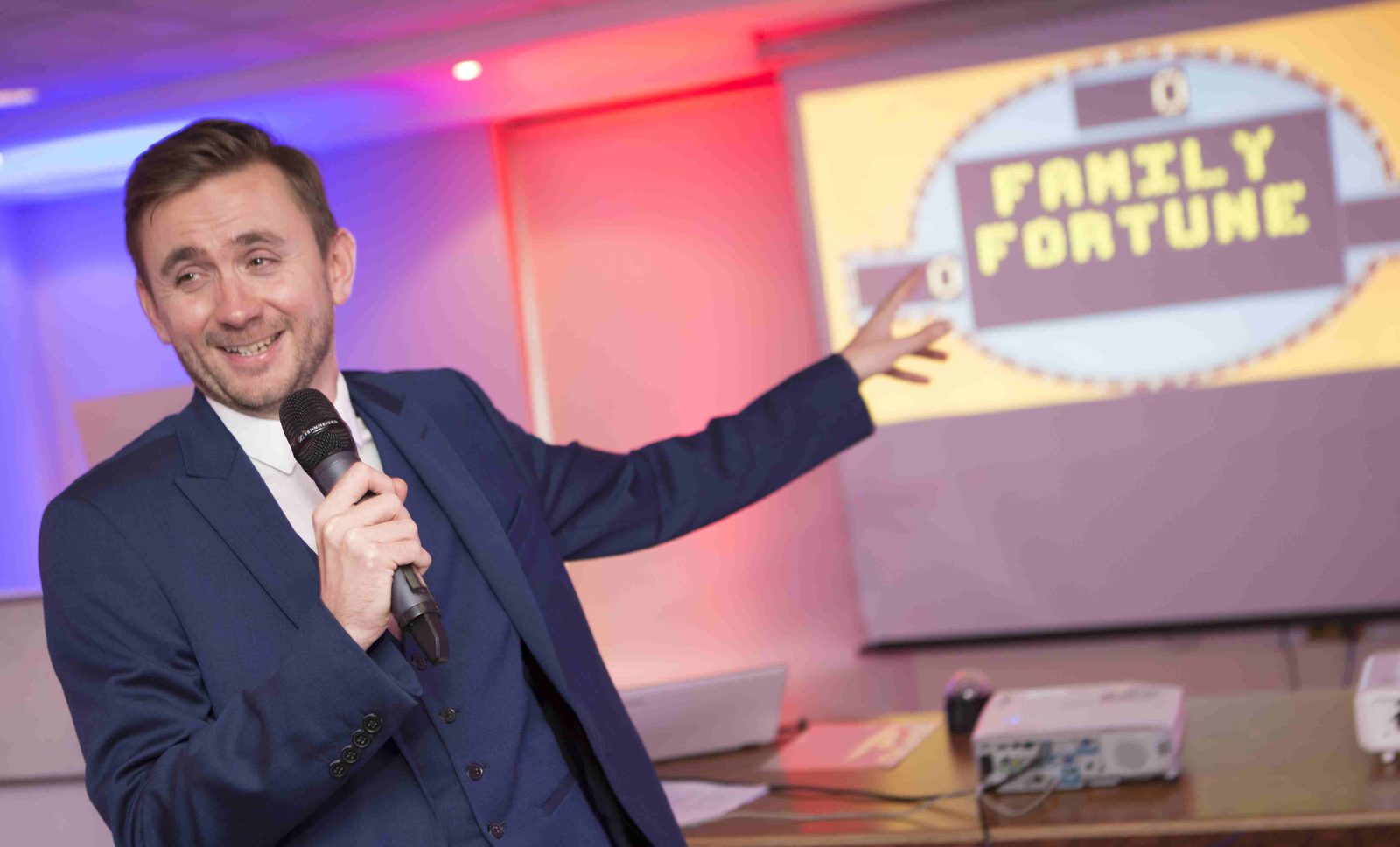
The post-lunch dip is real and well documented. Research into afternoon alertness records a documented dip in concentration and an increase in sleepiness between roughly 2pm and 4pm, rooted in the body clock rather than the meal itself. Knowing it is coming, I build deliberate lifts into the afternoon: a sharper introduction, a bit more audience interaction, a change of pace that resets the room before it drifts. A little of my game-show background helps here, and you can see how that interactive style works when a room needs waking up.
Speakers who over-run are managed in the briefing as much as on the stage. I agree signals and hard stops in advance, then hold them politely but firmly on the day, so the closing session and the client’s key moment survive intact.
How do you keep Q&A genuinely engaging?
You keep Q&A engaging by treating it as a hosted conversation, not an open microphone and a hopeful pause. Poor participation in meetings and sessions is a common, well-studied problem; the Harvard Business Review has written on why teams stay quiet and how participation has to be actively drawn out rather than assumed. A room does not open up on its own.
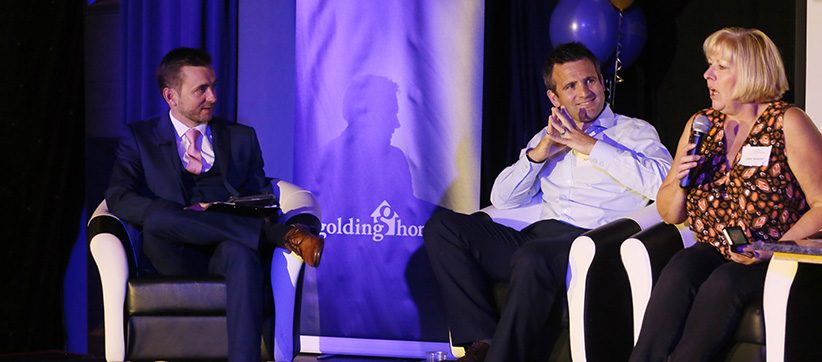
My job is to prime it. I will seed a first question if the room is shy, keep answers moving, cut off the delegate who is making a speech rather than asking a question, and pull the discussion back to what the audience actually came to learn. When I interviewed Deborah Meaden at the Linnworks conference, the value was not in the questions on my card, it was in reading her answers and the room and steering the exchange so it stayed genuinely interesting for everyone watching. That is facilitation and hosting in the same moment.
Quick answers: conference facilitator
What is a conference facilitator in simple terms? The person who runs the flow of a conference day: timing, transitions, energy and audience engagement, so the speakers and content land cleanly.
Is a facilitator the same as a conference host? Not quite, but they overlap so much that one experienced person usually does both. Facilitation leans towards process and drawing out the room; hosting leans towards energy and polish.
Do I need a facilitator or a chair? A chair steers a single panel or session as a topic expert. A facilitator, or host, runs the whole day. Larger events with multiple sessions want the facilitator.
Can one person facilitate and host the whole conference? Yes, and it is usually the better option, because it removes the seams between segments and keeps a consistent tone all day.
If you are planning a conference day and want one person who can facilitate the flow and host the room, take a look at what clients say in my event host reviews, then get in touch or call 07596 851647 and tell me about your event.