In short
- Virtual corporate entertainment lives or dies on interaction. A remote audience with nothing to do will quietly open another tab.
- What works on stage does not automatically work on camera. Pace, eye contact with the lens, and tight timing all change.
- Hybrid events are the hardest format, because you are hosting a live room and a remote one at the same time.
- The single biggest factor is a host who is comfortable working to a camera and a rundown, with no second take.
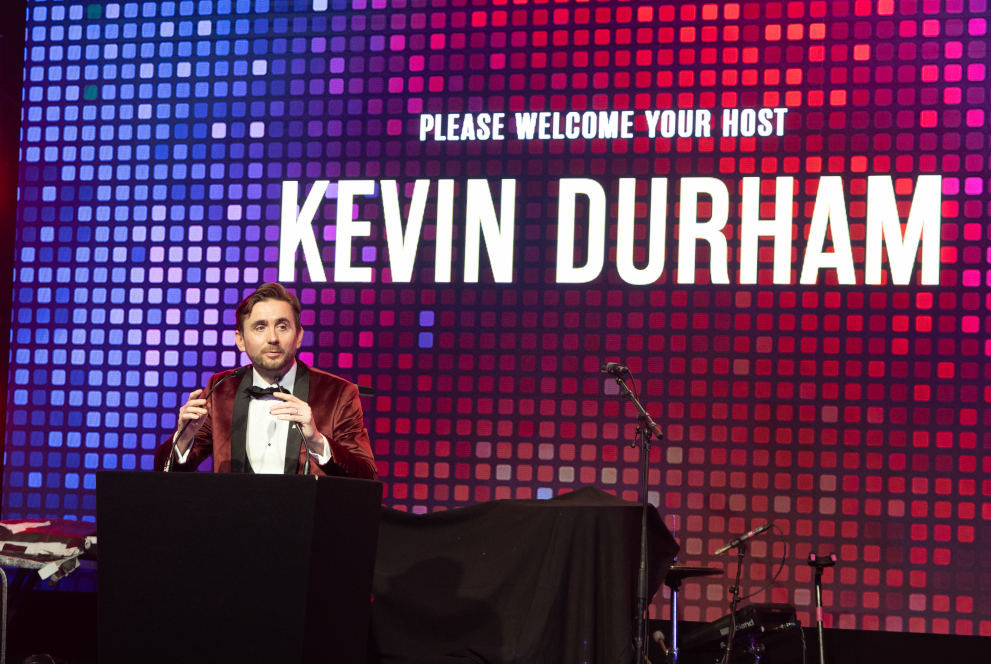
- My television background means the lens is second nature, so remote guests get addressed directly rather than watching a stage from the outside.
Virtual events earned a bad reputation for a reason: too many were a camera pointed at a stage while remote guests drifted away. Done properly, virtual corporate entertainment can genuinely hold a distributed audience, but it takes a different skill set from a room you can see. Here is what actually keeps remote guests watching, and why the format is less forgiving than it looks.
What makes virtual corporate entertainment work?
Virtual corporate entertainment works when the remote audience has something to do, not just something to watch. Interaction is the whole game. Polls, live games, questions answered by name, teams competing across locations: anything that turns passive viewers into participants keeps them present. A screen with nothing asked of it loses the room in minutes.
The second factor is pace. Online attention is shorter and less patient than in a room, so the timing has to be tighter and the dead air has to be zero. Every pause that would be fine in a live room feels twice as long through a screen.
First impressions form fast on camera too. People judge a face in under a second, so the opening moments of a stream decide whether remote guests lean in or reach for another tab. A confident, direct start is not a nicety online, it is the whole battle for attention.
Where does virtual corporate entertainment fail?
Virtual corporate entertainment fails when it treats the camera like a back-row seat. Pointing a webcam at a stage designed for a live audience gives remote guests the worst view in the house and nothing to engage with. They are watching other people have an experience rather than having one themselves.
It also fails on technical drift. A host who is thrown by a lag, a frozen guest or a cue that comes late loses the room while they recover. On camera there is no second take, so the ability to keep performing while something is being fixed behind the scenes is not optional, it is the job.
Why are hybrid events the hardest format?
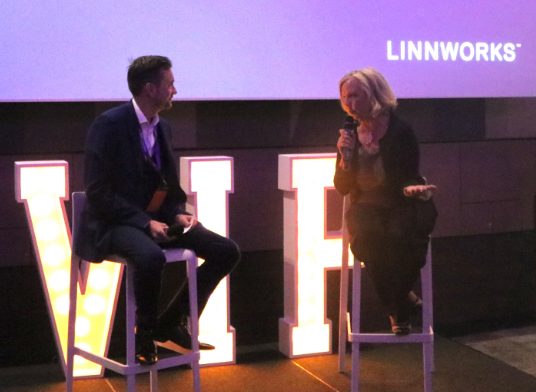
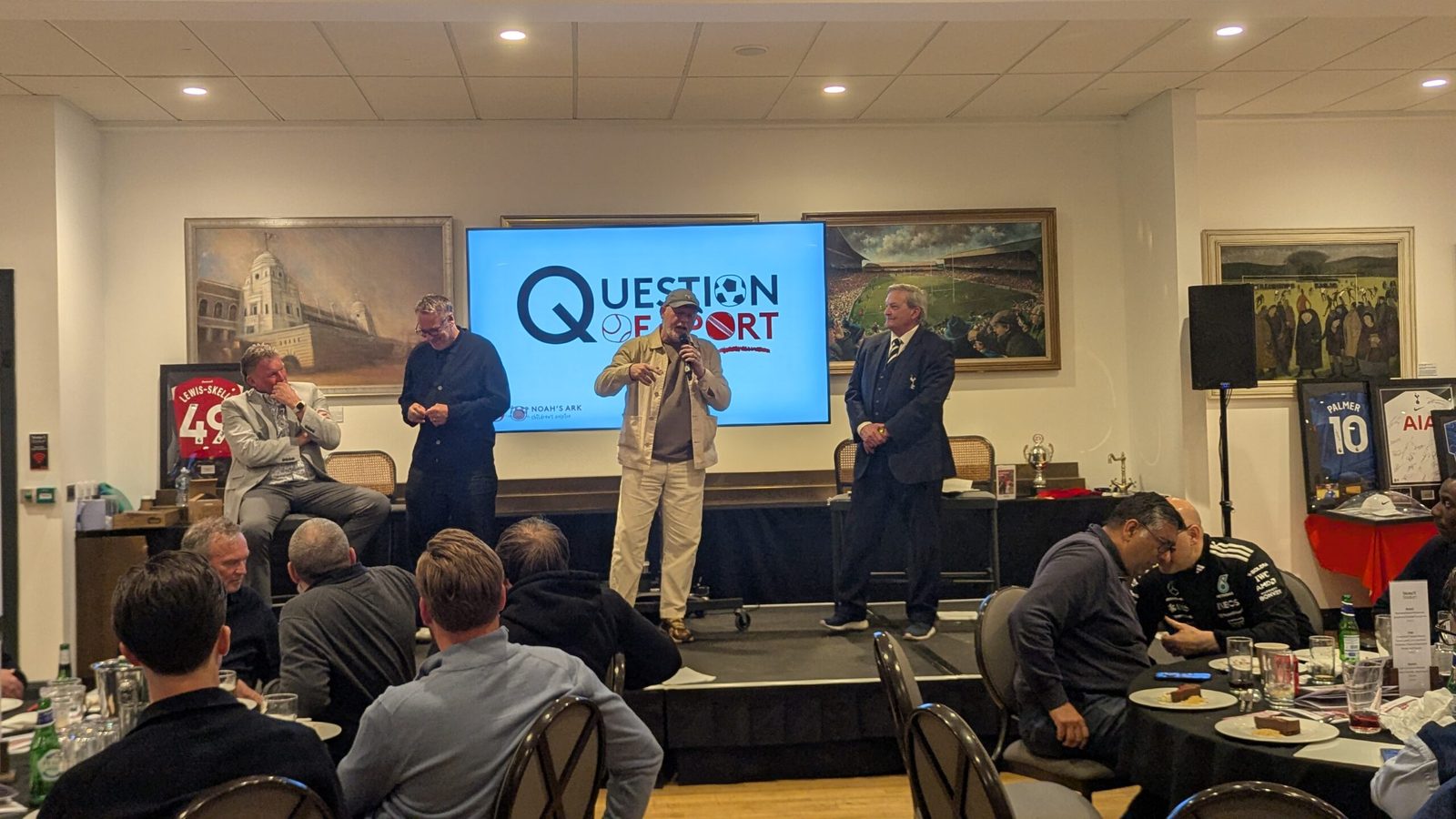
Hybrid events are the hardest format because you are hosting two audiences at once, and they need different things. The people in the room want energy and presence. The people at home want to be acknowledged, included and given reasons not to drift. Serve one and ignore the other and half your audience checks out.
Doing both means deliberately bringing the remote audience into the room: reading their questions aloud, running games that cross both groups, and addressing the camera as directly as the front row. It is a genuine discipline, and it is why hybrid formats reward experience over enthusiasm. Engagement is the whole point of the exercise, and it tracks with real business outcomes rather than being a soft metric. There is more on the broader challenge in my guide to hosting a virtual event.
Here is a short film on the versatility a host needs across different formats.
Does television experience actually matter for a remote event?
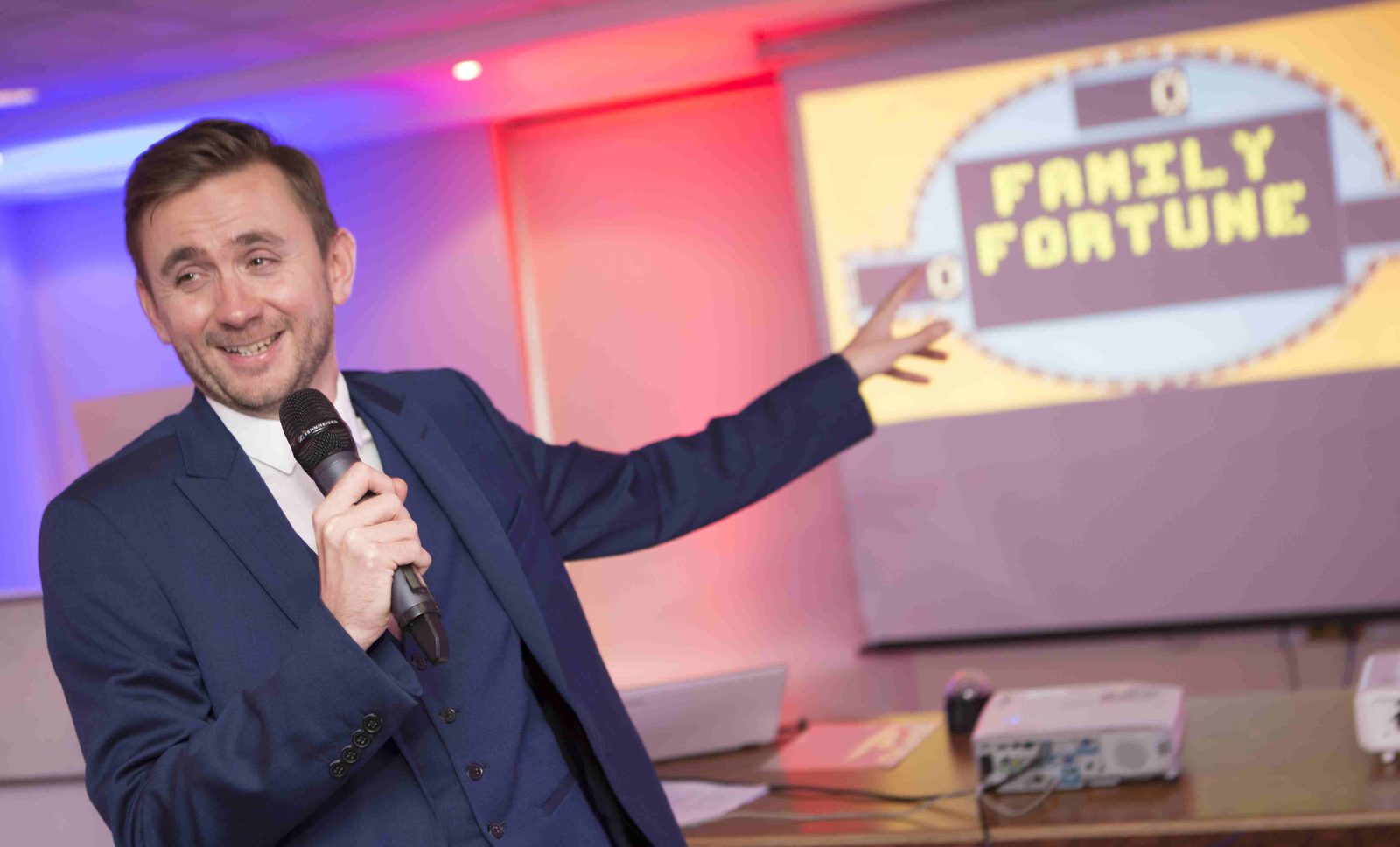
Television experience matters for a remote event because working to a camera and a rundown is exactly the skill a screen demands. I came up through television, hosting for Fox, Warner and Universal, so a lens, a countdown and a timed running order are second nature rather than something to get used to on the day.
That background shows in the small things: looking down the camera so remote guests feel addressed, holding performance while a technical hitch is sorted, and hitting cues to the second when a stream allows no slack. Those are the moments where a stage host and a broadcast-trained host diverge, and the remote audience feels the difference even if they cannot name it.
Keeping the whole event connected
The goal of any hybrid or virtual format is one connected event, not two parallel ones. That means the entertainment and the hosting have to come from a person who is consciously holding both audiences together, rather than a stage act the remote viewers happen to be able to see.
I run the whole thing as a single evening: the live room and the remote room treated as one audience, with the interaction, timing and energy managed for both at once. It is the same principle as any event I host, one person holding it together, applied to the harder problem of a room you cannot all be in. You can see how this fits alongside my conference host and product launch work.
Quick answers: virtual corporate entertainment
What is virtual corporate entertainment? Entertainment delivered to a remote or online business audience, from interactive games and quizzes to a fully hosted virtual event, designed to keep distributed guests engaged rather than passively watching.
What makes it work? Interaction and pace. Give the remote audience something to do, keep the timing tight, and address the camera directly so people feel included rather than observed.
Why is hybrid harder than fully virtual? Because you are hosting a live room and a remote one at the same time, and they need different handling. Ignoring either group loses half your audience.
Does the host’s background matter? A great deal. A host comfortable with a camera and a rundown keeps a remote room far better than a stage performer working online for the first time. See my corporate entertainment page for the range.
If you are planning a virtual or hybrid event and want a host who treats the remote audience as a real one, call 07596 851647 and tell me how your event is set up.