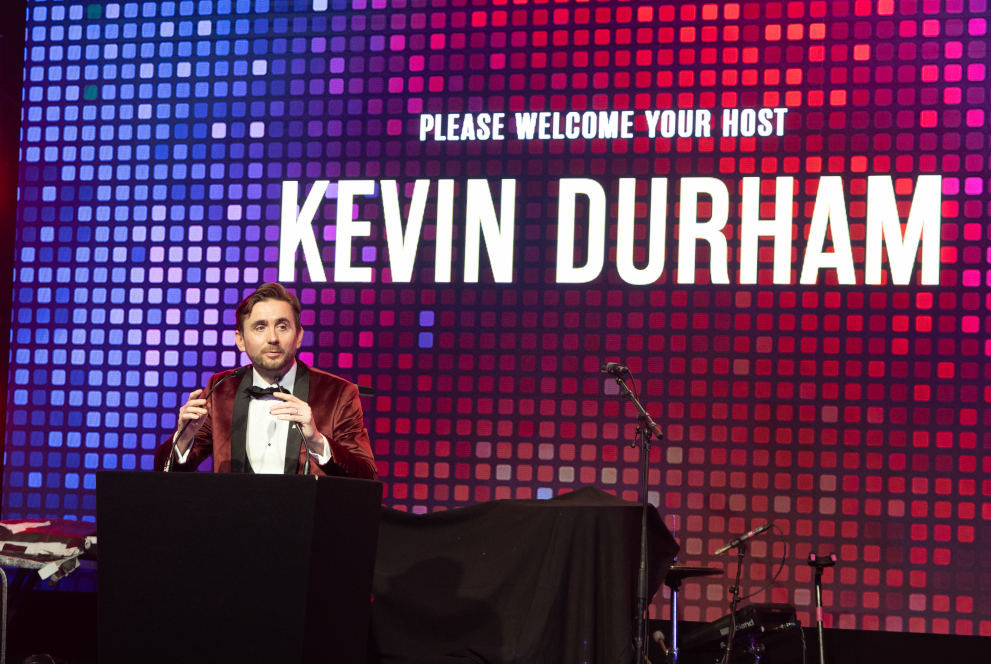

- Wedding MC duties centre on logistics and coordination: liaising with suppliers, managing the timeline, briefing speakers, and handling anything unexpected, not just making announcements.
- The MC acts as the single point of contact between the couple, the venue, the photographer, the band or DJ, and the catering team throughout the day.
- A written run sheet, shared with every supplier in advance, is the single most useful tool for keeping a wedding day on schedule.
- Wedding MC duties and wedding toastmaster duties overlap almost entirely. The core coordination role is the same; only the tone differs.
- Build 15-minute buffers into the timeline wherever people need to be gathered for photos or speeches, since that is where most days slip behind schedule.
Understanding wedding MC duties before you book helps you brief the right person and avoid gaps on the day itself. Ask most couples what a wedding MC does and they will describe the microphone moments: introducing the newlyweds, calling the room to order for speeches, announcing the first dance. Those moments matter, but they are the visible tip of a much longer list of wedding mc duties that start weeks before the day and run quietly in the background throughout it. The real work is logistics: keeping suppliers talking to each other, keeping the timeline honest, and managing whatever goes wrong before anyone in the room notices.
What do wedding MC duties actually cover?
Wedding MC duties cover four main areas: pre-event preparation, supplier liaison, timeline management, and handling the reception’s formal moments and anything that goes wrong along the way. An MC is, as one wedding planning guide puts it, the liaison between the couple, the vendors, the timeline, and the guests, and that liaison role runs through everything else on the list.
In practice, the duties break down into:
- Preparation: reviewing the timeline, building a run sheet, confirming names and pronunciations, meeting or speaking with the couple beforehand
- Supplier coordination: checking in with the photographer, DJ or band, venue team, and caterer so each of them knows what is happening next
- Timeline management: keeping the day moving to schedule, absorbing delays, and adjusting the plan without the room noticing
- Formal moments: announcing entrances, calling speeches to order, cueing the first dance and cake cutting
- Problem handling: managing the unexpected, from a late delivery to a speech that runs long, calmly and out of sight of the guests
A master of ceremonies at a corporate event and a wedding MC are doing a version of the same job. The context is more personal at a wedding, but the discipline behind it (preparation, coordination, composure) is identical.
Before the day: how a wedding MC prepares
The preparation happens well before the ceremony. A professional MC wants the full running order in advance, not a verbal summary on the morning of the wedding. That includes ceremony time, photography slots, meal service, speech order, and the evening’s key moments.
Alongside the timeline, a competent MC keeps supplier contact details and contracts to hand so any discrepancy on the day can be resolved immediately rather than argued about. A day-of coordination guide makes this point clearly: confirming what was promised and what has actually arrived is a large part of what keeps a wedding day on track.
This is also where an event host earns their fee before they ever pick up a microphone. Pronunciation checks, a written cue sheet for the DJ or band, and a short call with the couple to confirm priorities all happen in the days before the wedding, not during it.
How does a wedding MC liaise with your suppliers?
A wedding MC liaises with suppliers by acting as the shared point of contact who keeps the photographer, DJ or band, venue team, and caterer working from the same timeline throughout the day.
Photographer and videographer. The MC confirms when key moments are about to happen, whether that is the entrance, the speeches, or the cake cutting, so the camera is in position rather than catching it from the wrong angle. Building in buffer time around group photos matters here, since gathering guests for formal shots is one of the most common places a wedding day loses time.
DJ or band. Music cues need to land in the right second: the entrance track, the first dance, the moment the dancefloor opens. A wedding DJ’s own guidance on this describes checking in on lighting cues with the photographer before formal moments, which is exactly the kind of cross-check an MC exists to manage.
Venue and catering team. The MC confirms room turnarounds, when dinner service starts, and any sound restrictions the venue has in place. Some MCs go further still: one guide notes that an MC can act almost as an extra member of the venue team, even taking delivery of flowers or the cake if nobody else is available to sign for them.
Managing the timeline on the day
Wedding mc duties on the day are dominated by one job: protecting the timeline without making it visible that anyone is protecting anything. A typical wedding day runs a drinks reception of around an hour, a wedding breakfast of two to two and a half hours, roughly thirty minutes for speeches, and an evening reception of at least four hours. Every one of those blocks depends on the one before it running to time.
The most reliable safeguard is deliberate slack. One venue’s planning guide recommends 15-minute buffers at each transition point, precisely because hair and makeup delays, missing family members for photos, and speeches that run long are so common they should be planned for rather than treated as surprises.
An experienced MC watches the clock quietly throughout the day, checking in with the coordinator or venue manager at each transition, and makes small adjustments (tightening a gap here, holding an announcement there) long before a delay becomes visible to guests.
Briefing speakers and managing the running order
Coordinating the speeches is a logistics job, distinct from writing what gets said. The MC’s role is to confirm the running order, the approximate length each speaker needs, and the handover points, not to script anyone’s toast.
A clear running order agreed in advance, with speakers briefed on what comes before and after them, avoids repeated jokes, awkward self-introductions, and speakers standing up before the MC has confirmed the photographer and room are ready. As part of his wedding toastmaster and MC service, Kevin coaches nervous speakers and manages this handover so the moment feels calm rather than rushed.
What happens when something goes wrong?
Something changes on almost every wedding day, and handling it quietly is one of the wedding mc’s core responsibilities. Common wedding-day problems include running late after the ceremony, a supplier delivery arriving behind schedule, weather forcing an outdoor plan indoors, or a guest who needs managing discreetly.
The MC’s response in each case follows the same pattern: assess quickly, communicate with the relevant supplier or venue contact directly rather than involving the couple, and adjust the timeline so the change is absorbed rather than announced. A coordinator who has to solve a problem “subtly, so guests never even have to know” is doing precisely the job an MC is there to do.
What should be on your wedding MC duties checklist?
Your wedding MC duties checklist should confirm preparation, supplier contacts, the timeline, and a plan for handling the unexpected, ideally finalised at least two weeks before the wedding.
Before the day:
- Full written timeline, shared with every supplier
- Correct names and pronunciations for the wedding party and speakers
- Speech running order and approximate length for each speaker
- Direct contact details for photographer, DJ or band, venue coordinator, and caterer
- A short call or meeting with the couple to confirm priorities and any sensitivities
On the day:
- Check-in with each supplier on arrival to confirm timing
- Sound check and confirmation of microphone handovers
- Buffers built into the schedule around photos and speeches
- A clear plan for the entrance, speeches, first dance, and cake cutting
- A quiet, agreed way to handle delays or problems without involving the couple
Wedding MC vs wedding toastmaster: do the duties differ?
Wedding MC duties and wedding toastmaster duties are the same job under two different names. Both coordinate suppliers, manage the timeline, brief speakers, and handle the formal moments of the day.
The difference that does exist is tone rather than task. A traditional toastmaster leans towards formal, scripted announcements. A modern wedding MC blends into the day with a warmer, less rigid style while covering identical ground: timeline, suppliers, speeches, and the unexpected. Kevin’s wedding toastmaster service is built around that modern approach, coordinating the day’s timeline and coaching nervous speakers without the stiff, script-bound feel some couples want to avoid.
If you are weighing up who should manage these duties on your wedding day, get in touch to talk through your timeline and what you need from the role.