
In short
- Learning how to moderate a panel discussion is mostly preparation: the night is won in the briefing, not on the stage.
- Design short, single-idea questions, and share the themes with panellists in advance so you get dialogue, not four separate speeches.
- Control the panellist who dominates gently and early, and give the quiet one a direct, named question they can actually answer.
- A good moderator serves the audience, not the panel: keep the pace up, manage time, and make Q&A feel easy rather than awkward.
- This is close to hosting, and a host who reads a room fast keeps a panel warm from the first question to the last.
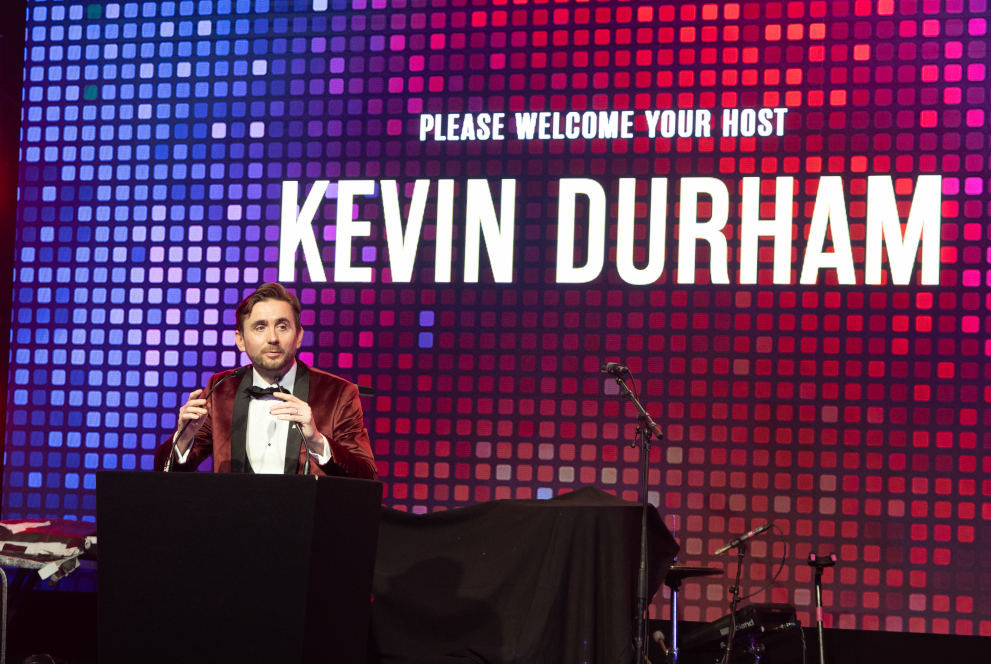
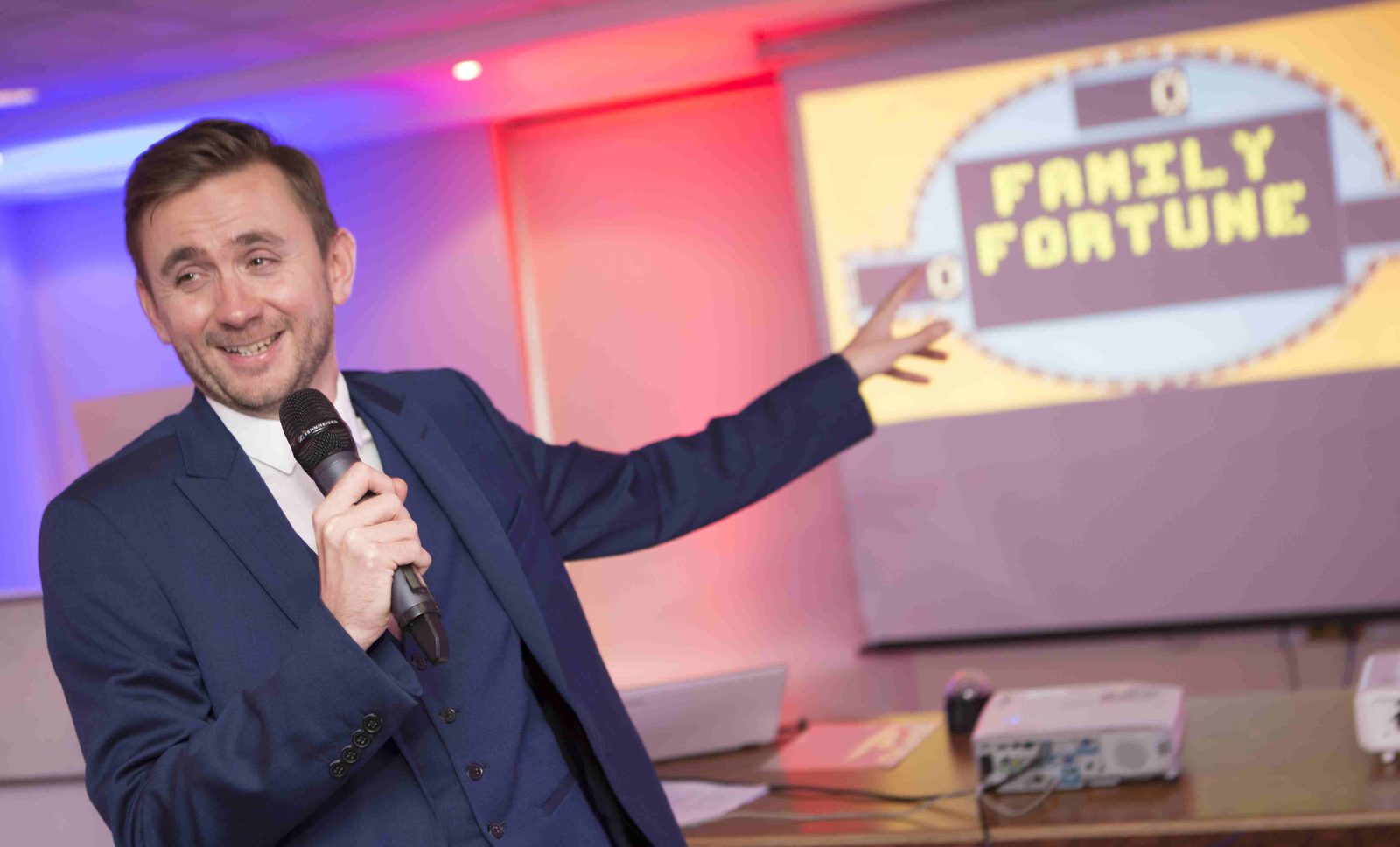
I have interviewed a lot of people on a lot of stages, from a full-day conference where I put questions to Deborah Meaden in front of the room, to festival crowds past 10,000 where a flat minute means people wander off. A panel is its own beast. You are not the star, you are the person holding four opinionated guests, a clock and an audience together at once. So here is how to moderate a panel discussion so it feels like a conversation worth sitting through, rather than a queue of monologues.
How to moderate a panel discussion before the day
Most of the job is done before anyone sits down. Research from Toastmasters International on panel moderation puts the same point plainly: prepare up to ten questions in advance, at least one for each panellist, and keep them short.
I speak to panellists before the event wherever I can, the same way I brief speakers on a conference host day. A short call does three things. It tells me who is naturally quiet and who will happily talk for ten minutes. It surfaces the one disagreement in the group that will make the session crackle. And it lets me share the themes I plan to explore, so nobody freezes and nobody feels ambushed.
Sharing the themes is not the same as scripting the answers. I give panellists the territory, not the exact wording, so the conversation still breathes on the day. Harvard Business Review’s guide to moderating panels makes the same distinction: give people time to think, without turning the session into a reading of prepared statements.
How do you design questions that actually get answers?
Ask one idea at a time, in plain language, and make the first question easy. A panellist cannot answer a question that contains three questions, so I cut mine down until each one holds a single thread.
I open with something broad and low-risk, a warm-up that lets everyone find their voice, then move to the questions with real friction in them. The sharp ones are usually comparisons or disagreements: where two panellists see the same problem differently. That is where an audience leans in.
A few patterns I keep coming back to:
- The specific over the general. “What did you change after that went wrong?” beats “What are the challenges in this space?”
- The example prompt. “Give me a moment from the last year where this actually happened” pulls out a story instead of a policy statement.
- The follow-up you did not plan. The best question is often the one their answer just handed you. Listen for it.
How to moderate a panel discussion in the room
Open with energy, set the pace early, and never let a transition sag. In the first minute I frame the topic in a line or two, introduce the panel briefly, and get to the first question fast, because a long moderator preamble is the quickest way to lose a room.
Pace is a moderator’s real instrument. When I hosted for finance, retail and technology brands, the hard part of a full conference day was never the presenting, it was the energy management: keeping the room alert after lunch and stopping any one segment from dragging. A panel is the same problem in miniature. I keep answers moving, close loops cleanly, and use short bridges between themes so the session never feels like it stalls.
Timing is a promise you make to the audience. I keep a visible eye on the clock and, as Forbes notes in its rules for panels, I protect the Q&A slot by not letting the earlier questions eat it. If we are running long, I drop a question rather than rush every answer.
How do you control a panellist who dominates?
Step in early, warmly, and by name, before the imbalance sets the tone for the whole session. The moment I hear one voice starting to run the room, I thank them mid-flow and redirect: “That is a strong point, let me bring in the rest of the panel on it.”
Doing it early matters. If you let a dominant panellist run unchecked for fifteen minutes, taking the floor back later feels like a telling-off in public. Handled in the first few minutes, it just reads as good chairing. Naming the behaviour is never necessary. A simple “let me widen this out” does the work without anyone feeling slapped down.
The tone is everything here. I am firm about the format and generous about the person. Nobody in the audience should be able to tell that I just managed someone.
How do you draw out the quiet panellist?
Give them a direct, named question on ground they know well, not an open one they can dodge. “Open to the panel” is where quiet experts go to hide, because the confident voice fills the gap first every time.
So I go to them by name, with something specific: “Sam, you have lived this on the operations side, what does it look like from where you sit?” A narrow, concrete question is a gift to a nervous panellist. It gives them a clear lane and a reason they were asked. This is exactly the kind of preparation a pre-brief pays off: because I have spoken to them beforehand, I already know the one topic that will light them up.
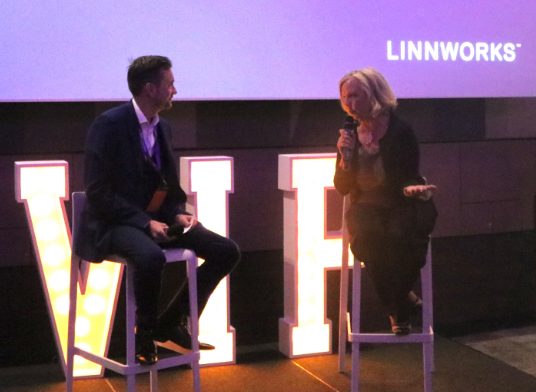
Interviewing Deborah Meaden at the Linnworks conference taught me the same lesson from the other side. The job of the interviewer is to make the guest look good, not to be clever yourself. On a panel, multiply that by four.
How do you run audience Q&A without the awkward silence?
Set it up early, prime the room, and be ready to bridge the first gap yourself. The dead silence after “any questions?” is almost always a staging problem, not an interest problem.
I tell the audience the Q&A is coming, so people can be forming a question while the panel is still talking. If the first hand is slow, I have one strong question of my own ready to open the floor, which nearly always loosens the room. And I keep control of the format: I repeat each question so everyone hears it, keep the panel’s answers tight, and gently close down any “comment dressed as a question”. Knowing the panel format helps here, because the audience portion is part of the format, not an afterthought bolted on at the end.
What separates a good panel moderator from a chair?
A chair keeps order; a moderator makes it worth watching. The difference is the same one I draw between a facilitator and host: one keeps the process on track, the other actively holds the energy in the room.
A strong moderator is invisible in the right way. You barely notice the steering, but the panellists are sharper than they would have been alone, the quiet one got heard, the loud one stayed in bounds, and the audience left with something. That is craft, and it comes from the same place as good hosting: reading the room fast, staying two moves ahead, and caring more about the audience’s night than your own airtime.
Quick answers: moderating a panel discussion
How many questions should a panel moderator prepare? Around eight to ten, with at least one aimed at each panellist, kept short so there is room to follow the conversation where it goes.
How long should a panel discussion be? Typically 30 to 45 minutes including audience Q&A. Beyond that, energy dips, so protect a clear slot for questions rather than letting it overrun.
Should panellists see the questions in advance? Share the themes and territory, yes, but not a rigid script. You want people prepared and comfortable, not reading prepared statements at each other.
What is the moderator’s main job? Serving the audience. Every decision on pace, questions and airtime should make the session more useful and more alive for the people watching.
A panel that keeps its energy from the first question to the last is a hosting problem as much as a subject-matter one. If you have a conference or awards evening with a panel that has to land, you can tell me about it or call 07596 851647, and we can plan how to keep the room with you all the way through.