
In short
- A wedding compere is the person who runs your day out loud: linking the moments, keeping the timeline moving, and settling nerves before the speeches.
- Compere, toastmaster and wedding MC are overlapping names for a similar job. The title matters less than the person and how they read a room.
- You want one when the day has a lot of moving parts, a nervous speaker or two, and nobody in your family who wants the job of holding it together.
- I host weddings the way I host any live room: warm, prepared, and calm when the running order changes on the day.
- When you choose, look for preparation, a real conversation before the day, and someone who lifts the room without making it about themselves.
I have watched plenty of weddings where the food was lovely, the flowers were right, and the day still felt like it kept stalling between the moments. That gap, the flat minute while everyone waits for the next thing to happen, is exactly what a wedding compere is there to close. It is a hosting job more than a speaking job, and once you have seen a day run with someone quietly in charge of the flow, the difference is hard to unsee.
What does a wedding compere do?
A wedding compere runs the spoken and timing side of your day so you do not have to. In practice that means making the announcements, introducing the speeches, moving guests from one part of the day to the next, and keeping the whole thing to time without it feeling rushed.
The role usually starts well before anyone hears a microphone. A good compere agrees a running order with you, checks the pronunciation of every name, and confirms the plan with your venue and photographer so the day has one person who knows what happens next. On the day, the visible work is small and constant: welcoming guests, calling everyone through for the wedding breakfast, cueing the cake cut, and reading whether the room needs a lift or a moment to breathe.
The invisible work is the part couples remember afterwards. When a speaker freezes, when the caterers need ten more minutes, when a photo overruns, someone has to absorb that and keep the day calm. That is the compere. For the fuller picture of the title across events, I have written on what a compere actually is.
What does “wedding compere” mean, and where does the word come from?
A compere is, in plain terms, the person who introduces the acts and links a live event together. The word is British in flavour and French in origin: compère comes from the French for godfather, and the dictionary sense is simply someone who acts as master of ceremonies and introduces performers or proceedings, per Vocabulary.com.
Applied to a wedding, “wedding compere” means the host who fronts your reception: the voice that welcomes guests, sets up each moment, and keeps the evening connected. You will see it spelled with or without the accent (compere and compère are the same word). In wedding circles the terms compere, toastmaster and MC are used almost interchangeably, which is why couples often search all three while trying to describe the same person.
Wedding compere vs toastmaster vs MC: the honest difference
These three titles describe broadly the same job, with a difference in tradition and tone rather than duties. A toastmaster carries the more formal, ceremonial image; a compere or MC tends to read as warmer and more relaxed, but all three are there to run the day out loud and keep it moving.
A traditional toastmaster is a master of ceremonies who coordinates and announces the proceedings, assists with the speeches, gathers guests for photos, and formally introduces each stage of the reception, as Guides for Brides sets out. A wedding MC does the same core work in a style that usually feels a little less starched. Here is the plain version:
| Title | Image it carries | Core job |
|---|---|---|
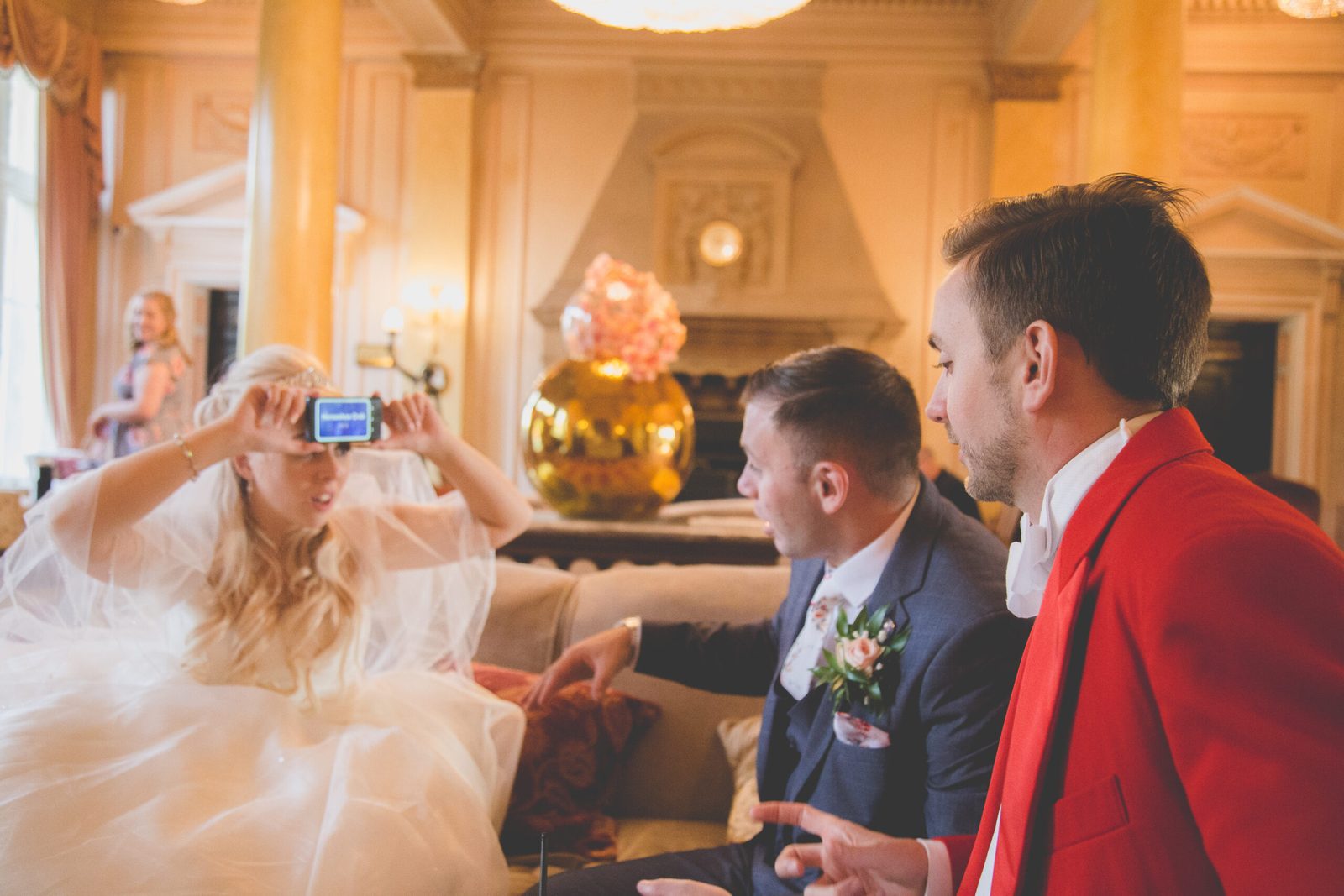
| Toastmaster | Formal, ceremonial, red coat | Announce and run the reception |
| Compere | Warm, live-event host | Link the moments, keep energy up |
| Wedding MC | Relaxed, modern | Keep the day to time, introduce speeches |
If you want the detail on each, I have pages on the wedding toastmaster role and on the wedding MC specifically. The label you book under matters far less than whether the person can read your particular room.
When would you want a wedding compere?
You want a wedding compere when your day has enough moving parts that someone needs to own the flow, and nobody in the wedding party wants to be that someone. If the plan involves a receiving line, a wedding breakfast, several speeches, a cake cut, an evening turnaround and a first dance, that is a lot of transitions to leave to chance.
There are a few common triggers. The first is a nervous speaker: a father, a best man, or a couple giving a joint speech who would rather be introduced properly than shuffle up to a cold microphone. The second is a mixed crowd that does not all know each other, where the room needs someone to knit two families together in the first hour. The third is simply scale. With most weddings in England and Wales now built around a civil ceremony and a separate reception rather than a single religious service, per ONS figures showing 83 percent of 2022 marriages were civil ceremonies, the reception is where most of the hosting actually needs to happen.
The other honest answer: you want one when you have already been to a wedding that dragged, and you do not want yours to be the one guests quietly leave early.

What should you look for when hiring a wedding compere?
Look for preparation first, personality second. The best sign is someone who wants a proper conversation before the day, asks about your family, your speakers and your worries, and turns that into a running order rather than turning up to wing it.
A short checklist I would trust as a guest, never mind as a host:
- They ask before they perform. A briefing call or meeting is standard for anyone good. The day is won in that conversation, not on the microphone.
- They handle names with care. Pronunciation checks on every name in the speeches are not fussy, they are basic respect.
- They read the room, not a script. You want warmth that adjusts to the mood, not a set of jokes fired regardless of how the room feels.
- They lift the room without hijacking it. It is your day. A good compere makes the moment about you and your guests, then steps back.
- They stay calm when the plan slips. Ask how they have handled a speech that overran or a supplier running late. The answer tells you everything.
If you want a granular view of the on-the-day tasks, my page on MC duties breaks the reception down moment by moment.
How I approach a wedding as a host
I treat a wedding the way I treat any live room I am trusted to run: the job is to make it feel effortless for the people in it, which takes a lot of quiet preparation to pull off. Twenty years of hosting has taught me that the audience should never see the work, only the ease.
Most of what I do on the day is invisible on purpose. I keep a private eye on the running order, watch the room for the moment it starts to sag, and build in small lifts so the energy never flatlines between the big set pieces. When something moves, and at a live event something always moves, I absorb it and adjust without the guests feeling a wobble. That instinct comes from years of live and broadcast work where the rundown changes and you carry on.
Here is a short clip from one of my events to show the tone I bring to a live room.
The same principle sits under a wedding: warm, in control, and entirely focused on the people in front of me rather than on being the show.
What tends to go wrong without a host, and how a good one prevents it?
The most common failure is not a disaster, it is a slow drift: gaps between moments where nobody knows what happens next, and the energy quietly leaks out of the room. Guests start checking phones, the timeline slips, and the day never quite recovers its momentum.
The usual culprits are predictable, which is exactly why they are preventable. A speaker overruns and pushes everything back. A relative is handed the microphone and freezes. The photographer needs the couple for golden-hour shots at the same moment the caterers want everyone seated. Left alone, that becomes twenty minutes of standing around. With one host who knows the plan and can make a decision, it becomes a handover nobody even notices. That is the value of the role: not big moments of rescue, but a hundred small ones you never see.
Quick answers: wedding compere
Is a wedding compere the same as a toastmaster? Broadly yes. They describe the same hosting job, with the toastmaster carrying a more formal, ceremonial image and the compere usually feeling warmer and more relaxed.
What does a wedding compere do all day? They agree the running order in advance, then run the reception out loud: welcoming guests, introducing speeches, cueing the cake cut, and keeping the whole day to time.
Do we need a compere if the venue provides a coordinator? Often yes. A venue coordinator manages the logistics behind the scenes; a compere is the host who fronts the room and keeps guests engaged and moving.
How far ahead should we book? As early as your date and venue are fixed. Good hosts get booked well in advance, and the pre-day briefing is where the quality of the day is really decided.
If you would like to talk through how your day could run, and where a host would actually help, get in touch or call 07596 851647 and we can plan it properly.