
In short
- A corporate entertainer cost is bespoke, not a fixed price list, because it depends on the event, the audience and how much is prepared for your room.
- The main drivers are experience, audience size, how much content is customised, and whether one person covers the whole evening or just a slot.
- The cheapest quote is rarely the cheapest night. A flat evening has a real cost, it just does not appear on the invoice.
- Compare like with like: ask what preparation and coverage are included before you compare numbers.
- I do not quote a fixed fee because a good booking starts with a conversation about your event, not a menu.
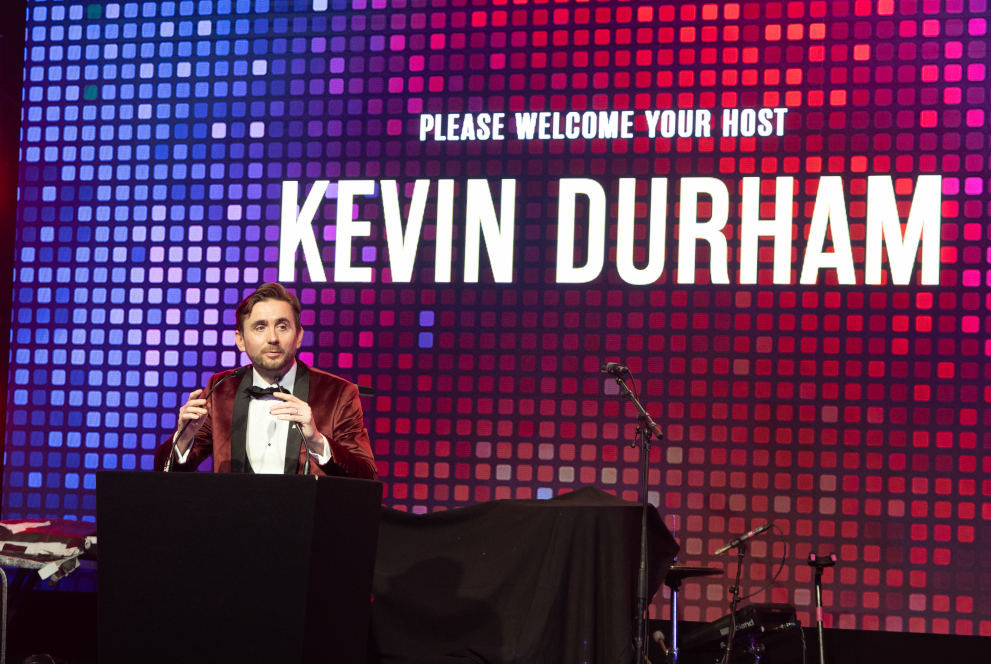
“How much does a corporate entertainer cost?” is the first question most event managers ask, and it is the hardest one to answer with a single figure. Fees are genuinely bespoke, and any entertainer who quotes you a flat rate before understanding your event is guessing. What I can do is show you exactly what moves the number, so you can read a quote properly and compare bookings fairly rather than just picking the lowest line.
What makes a corporate entertainer cost more or less?
A corporate entertainer cost is set mainly by experience, scope and preparation, not by an hourly rate. A performer with twenty years of live events, television experience and a track record with blue-chip rooms carries a different fee from someone starting out, because you are paying for the reduced risk that anything goes wrong on the night.
The other big lever is scope. An act that performs one slot is priced differently from a host who opens the room, runs the whole evening, manages the timing and delivers the entertainment. You are comparing a slice of the night against the whole thing, so the numbers should never look the same.
What should a corporate entertainer cost cover for your event?
A fair corporate entertainer cost should cover the preparation as well as the performance, because the preparation is where the night is actually won. A quote that includes a proper briefing call, a run-through with your team, and time spent tailoring content to your audience is buying you a very different evening from a quote that covers only the hours on stage.
Ask what is inside the number. Preparation, travel, customised content, and coverage of the whole evening rather than one segment all belong in the conversation. When those are missing, the low quote is not cheaper, it is smaller.
Does audience size change the price?
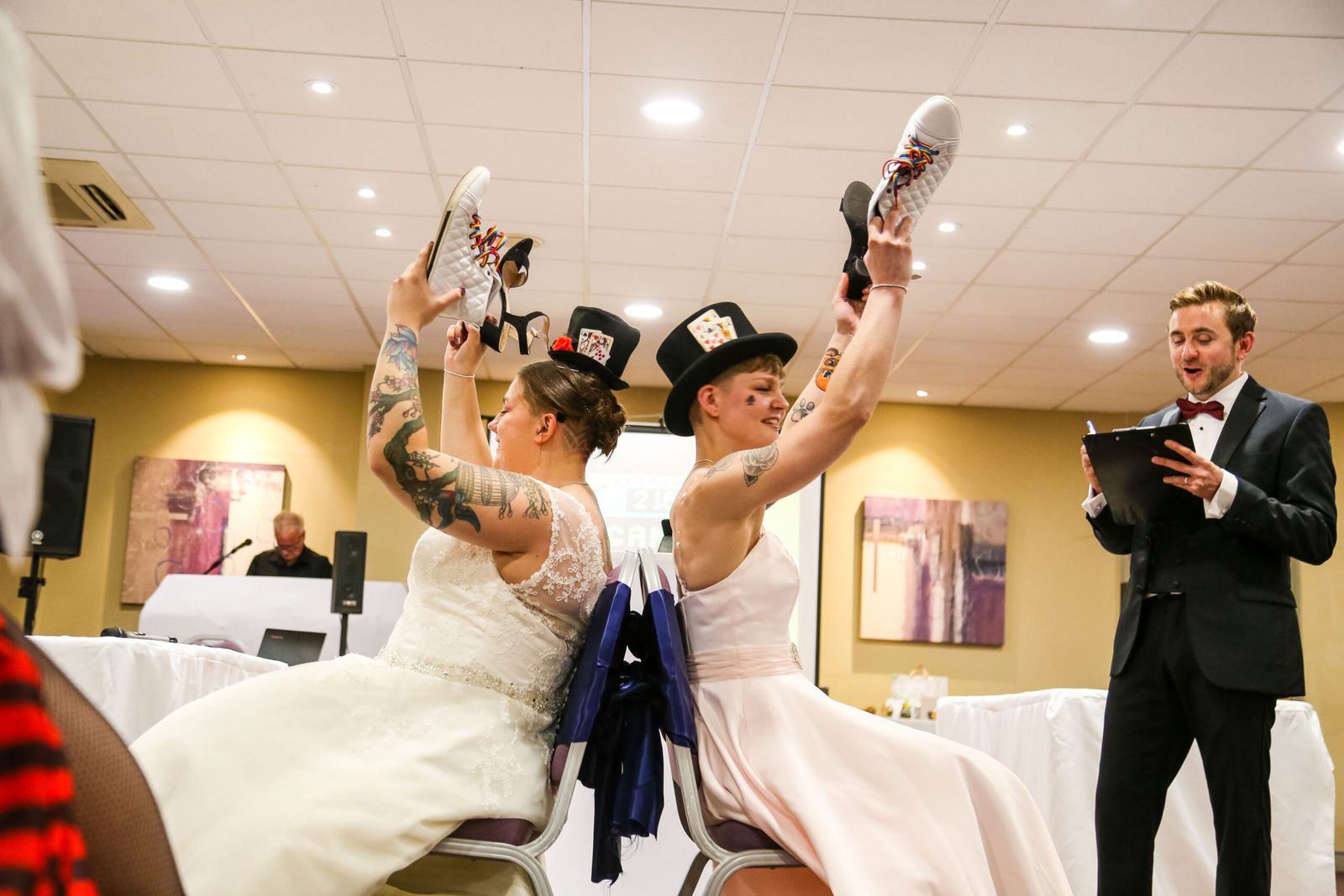
Audience size changes the price because it changes the job. Holding a room of eighty at a dinner is a different discipline from carrying a crowd of several hundred at an awards night, or a festival audience where the numbers run far higher. At real scale a microphone will not do the work for you, and you cannot afford a single dead moment.
I have hosted family festival events with crowds past 80,000, across multiple stages with changing weather and last-minute running-order changes. That end of the scale demands a different skill set, and the fee reflects the experience of keeping energy high when the audience is always one dull minute from drifting away.
Why is the cheapest quote rarely the cheapest night?
The cheapest quote is rarely the cheapest night because a flat evening carries a cost that never appears on the invoice. Your guests gave up an evening, your team spent months planning, and the budget for the room, the food and the production is already spent. If the hosting falls flat, all of that underperforms at once.
There is a memory cost too. People judge an event mainly by its high point and its ending, a pattern known as the peak-end rule, so a night without a real peak is remembered as forgettable regardless of how much you spent on everything else. The entertainer is often the line item that creates that peak.
Corporate time is scarce and audiences check out fast, with executives already spending nearly 23 hours a week in meetings. Booking on price alone is how a well-funded event ends up feeling forgettable. The saving on the entertainer is small next to the value of the night it is meant to lift.
Put it in proportion. Business events are part of a UK industry worth around 70 billion pounds, which tells you how much organisations invest in getting people in a room. Trimming the one line that decides whether that room stays engaged is a false economy, and it is usually the entertainer.
Here is a short film that shows the kind of evening a host is there to protect.
How do you compare quotes fairly?
Compare quotes by lining up what is included, not just the headline figure. Put the numbers next to each other only after you know what each one covers:
- Is this the whole evening or a single slot?
- Is preparation included: a briefing call, a run-through, customised content?
- Is travel inside the fee or added later?
- Are you booking a named person, or a “type” who may be substituted?
Once those are equal, the comparison is honest. If you want a plain walkthrough of the process, I have written a guide on how to hire an event host, and my corporate entertainment page sets out what one host covers across a full evening.
The value of one host who is also the act
There is a cost saving that most quotes miss entirely, and it comes from combining roles. When one person hosts the evening and delivers the entertainment, you are not paying two suppliers, coordinating two contracts, or risking the handover confusion that creeps in when an MC and a separate act each wait for the other to take the room.
That is the model I work to. No roster, no markup, no middleman: you get me, a proper briefing, and a show built around your people, with the hosting and the entertainment coming from the same person. It usually works out as better value than it first looks, because you are buying the whole evening from one accountable person rather than assembling it from parts that then have to be stitched together on the night.
Quick answers: corporate entertainer cost
How much does a corporate entertainer cost in the UK? It varies widely because it is bespoke. The figure depends on experience, audience size, how much is customised, and whether one person covers the whole evening or a single slot, so a conversation beats a price list.
Why will you not quote a fixed fee? Because a fair quote needs to understand your event first. Quoting before I know your audience and running order would be a guess, and guesses are how people get the wrong booking.
Is a more expensive entertainer always better? No, but the very cheapest is often a smaller job in disguise. Judge value by what the fee includes, not by the number alone.
What is the hidden cost of booking on price? A flat night. The evening still costs you in room, food, production and your guests’ time, and weak hosting lets all of it underperform at once.
You can read more about my background and how I approach events, and when you are ready to talk numbers for your specific evening, email hello@eventhost.info and we will work out what fits.