
- Home
- Blog
- Event Host Blog
- Summer fete games: what makes money, what fills space, and what the stage adds
Summer fete games: what makes money, what fills space, and what the stage adds
 By Kevin Durham, event host and MC
1 November 2026 · updated 26 October 2026
7 min read
In short
- Summer fete games fall into three groups: donated-stock stalls that are nearly all profit, equipment games that cost you something, and crowd-pullers that make their money on a wristband rather than per go.
- One coin a go. 50p, or three for £1, and nothing involving 5p pieces.
- Put your best earners by the gate, because people spend while their change lasts, and that is early.
- Each game needs a difficulty dial you can turn during the day. A coconut shy nobody can beat stops taking money.
- Stalls keep people busy. Only the stage makes the whole field stop and watch the same thing.
A summer fete lives or dies on its games, and most lists will hand you sixty of them. What they will not tell you is which ones pay for themselves, how many people you need behind each one, and what to charge so your volunteers are not hunting for 5p pieces at three in the afternoon.
I have hosted family festival events with crowds past 80,000, in the rain, with the running order changing while I was holding the microphone. The pattern never changes: the field keeps people busy, and the stage gives the day its shape. So here are the games, sorted by what each one actually does for you. For the wider programme, the field and stage mix is in my fun day ideas post.
Which summer fete games actually make money?
The games that make money are the ones where the stock was donated and the stall costs you almost nothing to run. A tombola built on bottles, donated teddies or filled jam jars turns other people’s cupboards into takings, which is why it is still the backbone of every fete in the country.
Jars are the clearest example. One PTA describes collecting around 400 jars filled by children with sweets, pens and small toys, a cloakroom ticket on each lid, at £1 a go. Nothing was bought. A lolly stall at 30p a go in the same account brought in £140.
The wristband model works differently. One fair reported hiring a bouncy slide and two castles for £250 and charging £3 per wristband for unlimited use, with five-minute bounce slots. Real money up front, and it still clears, because an inflatable is the thing children drag their parents towards on arrival.
Equipment games sit in the middle. Tin can alley, a coconut shy or hoopla need kit, but the kit is reusable and usually borrowed, so the only running cost is prizes. The PTA’s pricing advice makes the same point: price according to cost, because a tin can alley with donated cans and borrowed beanbags is a different thing from a tombola stacked with bought prizes.
Summer fete stalls that mostly just fill space
Some stalls are worth having even though they barely break even, as long as you know that going in. FundEd’s write-up calls cupcake decorating always a hit but no great earner, and that is fine: it parks small children for ten minutes while their parents spend elsewhere.
Face painting catches people out. It is always popular and it always has long queues, so keep designs simple and fast, charge £1 to £3 by complexity, and rota in breaks.
A slow face painting stall does not just underperform. It holds thirty families still for half an hour.
Then there are outside traders. They pull a crowd, but every pound spent on their pitch never reaches your stalls, so charge them a pitch fee rather than a percentage and you have the money whether they turn up or not.
Be ruthless about any game where everybody wins. If a bought prize goes out every time, you are running a shop at a loss.
How much should you charge for a fete game?
Charge one coin. Use 20p or 50p rather than 30p or 60p, avoid 5p pieces because they are fiddly and always need change, and keep the number of different prices across the field small.
The cleanest version is one rule for every game stall: 50p a go, or three goes for £1. Volunteers do not have to think, parents know what to send the children off with, and nobody is doing mental arithmetic in the sun. Put the price and the rules on a laminated stall guide so the answer does not change when the shift does.
Two more things move the numbers. Put your biggest earners near the entrance, because visitors spend while their change lasts. And take cards: a reader on pay-as-you-go costs 1.69% per transaction with no monthly fee as of October 2026, cheap next to the people who stop playing when their cash runs out.
Which summer fete games work outdoors?
Throwing games work outdoors better than anything else. They need space, they are loud, and they draw a watching crowd that then joins the queue. The traditional list is longer than most organisers realise: coconut shy, hoopla, quoits, splat the rat, horseshoe toss, welly wanging, giant skittles and a milk churn to throw balls into are all standard hire items in the UK.
Water games are the other outdoor winner: hook a duck, soaking a teacher with a wet sponge, paddling pool golf. They are weather dependent the good way round, in that they get better as the day gets hotter.
What is genuinely weather dependent is anything inflatable. No inflatable should be used in winds above 24mph, which is Force 5, every anchor point must be used, and it should carry a PIPA tag or an ADIPs declaration. If the wristband attraction comes down at lunchtime you need something on the stage to hold the crowd, which is the argument against putting all your eggs in the bouncy castle.
Do you need a licence for a tombola at a fete?
A tombola at a fete usually runs as an incidental lottery, which needs no licence if you stay inside the rules. Tickets must be sold only at the event while it is taking place, never online or in advance, you can take up to £500 from proceeds for prizes and £100 for costs, donated prizes have no limit, and prizes cannot roll over to another draw.
Games of skill are a different thing. Knocking coconuts off a post, throwing hoops over blocks and guessing the weight of a cake are not lotteries, so the tombola rules do not apply to them. Worth knowing before somebody on the committee tries to licence the hook a duck.
How many volunteers does each stall need?
Two on anything that involves retrieving something. A PTA running tin can alley with two pyramids going at once recommended two helpers purely to pick the cans up between goes, and the same logic applies to a coconut shy, hoopla or beanbag throw. One person takes the money, one resets the game.
Keep shifts short. The people who get the same parents back year after year offer half-hour slots to first-timers, hand everyone a rota with the name of whoever is replacing them and a number to call if that person never appears, and check on stalls so helpers can get to the toilet and get a drink.
Then build in slack. Nominate floating committee members who can fetch equipment, fix a problem and cover a break, put the volunteer rota on the back of every stall guide, and send two people round at intervals with bumbags to lift excess cash off the stalls. Spare batteries, too, for anything with a buzzer in it.
The bigger hosted games I bring to a fete
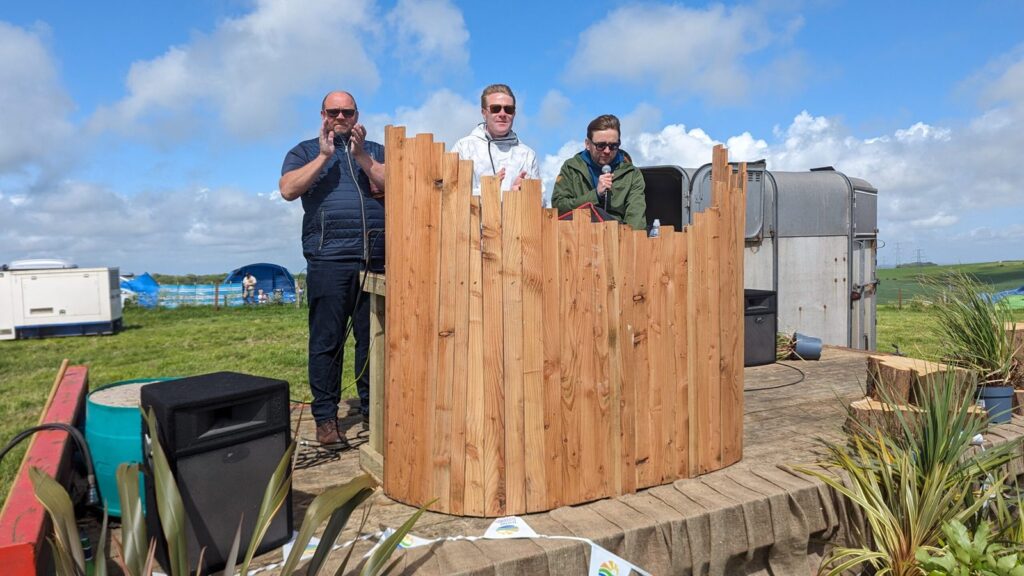
A hosted game on the stage is the only thing at a fete that gets the whole field doing the same thing at the same time. Stalls scatter people by design, and three or four times a day you want them gathered.
The games are my own software, run from one screen, and every one is written for whoever is actually in front of me. Family Fortunes at a fete works best with the whole crowd split into two teams and the players rotating every round, so as many people as possible get a turn and it stays quick. The Generation Game lets me pick games to suit the crowd: at one family event we ran a modified egg-and-spoon race judged on the silliness of the walk rather than who finished first, and it got a bigger reaction than a straight race would.
How I host a summer fete or fun day
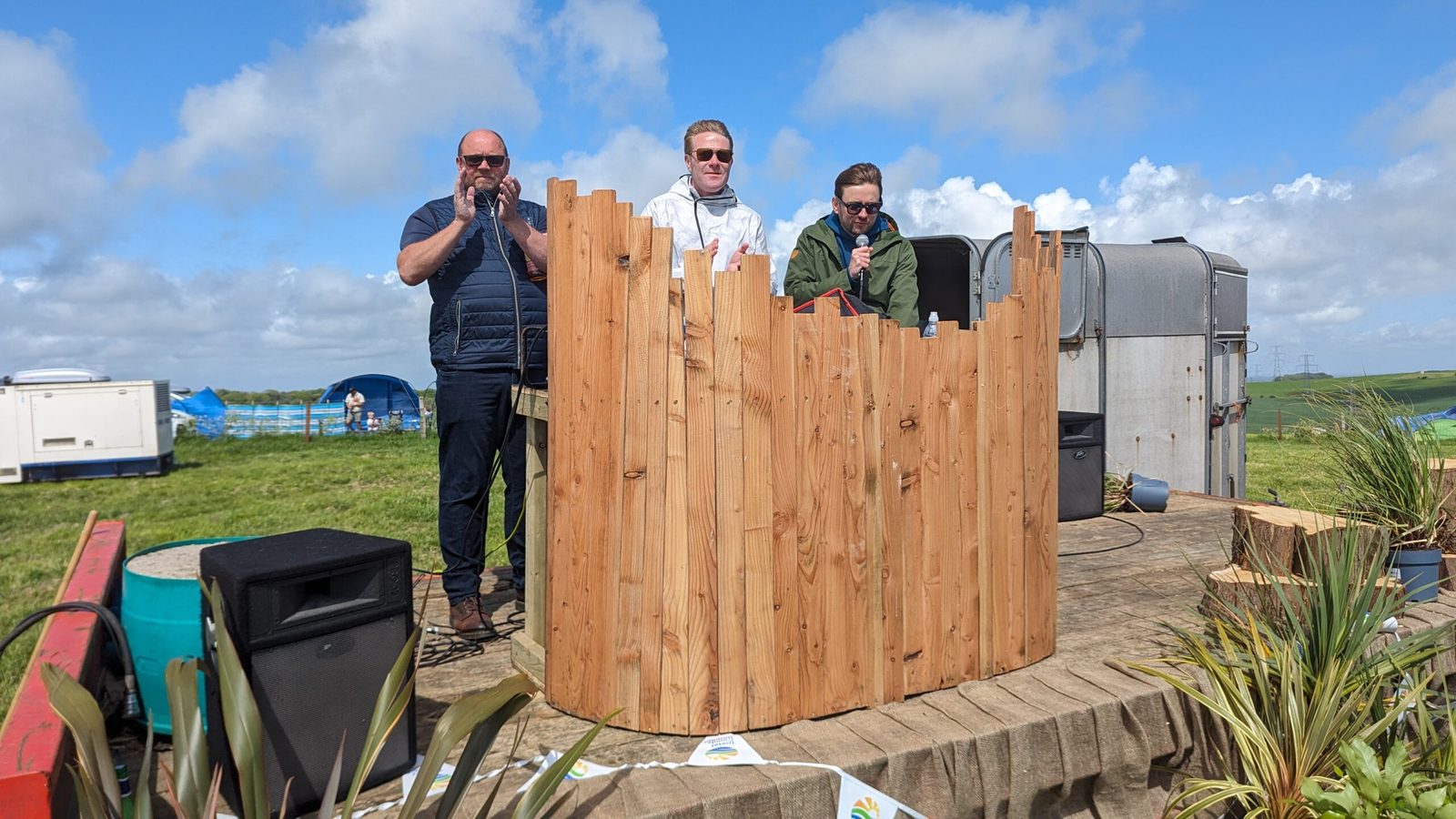
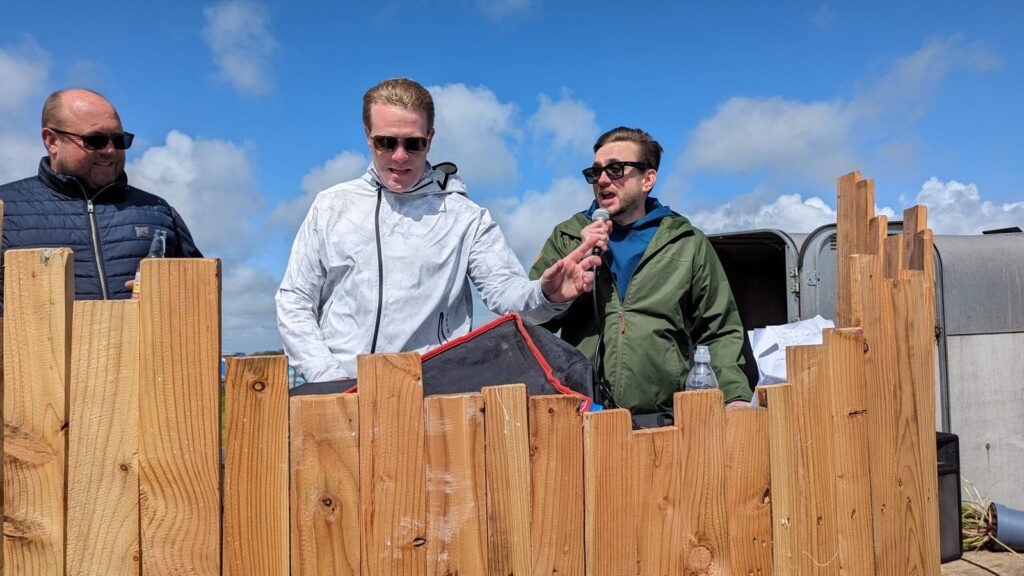
My job on the day is to make the field feel like one event rather than thirty separate stalls: announcing the stage games early and often, calling the raffle so people stay for it, covering the gap when the weather forces a change, and finishing on the biggest moment instead of letting people drift to the car park.
At 80,000 people a microphone will not do that work for you, and at a village fete of 400 it still will not. One host, the whole day, with enough energy that people look up.
If you are planning a fete or a fun day and want the stage side handled, I work across the UK as a family event host. Call 07596 851647 and tell me what went wrong at the last one.