
- Home
- Blog
- Event Host Blog
- Awards host jokes: emcee jokes for awards ceremony nights that land
Awards host jokes: emcee jokes for awards ceremony nights that land
 By Kevin Durham, event host and MC
28 November 2026 · updated 27 November 2026
6 min read
In short: awards host jokes
- Awards host jokes, and emcee jokes for awards ceremony nights, land when they are about the room, the process or the host. They fail when the target is a winner, a finalist or a colleague’s life.
- Five safe structures: the host as target, the shared process, a callback, a show of hands and a laugh handed to the room.
- Every joke gets read by the client before the night. If it would sting at table six, cut it.
- A joke that dies is left to die: pause, move on to the next name.
- A professional earns their fee on the briefing and the room-reading, not on a bag of one-liners.
Awards host jokes are the short, true lines a host uses to link the awards, said to a room that mostly knows each other. Emcee jokes for awards ceremony nights are not a list to copy. They are written for one room, and the same line that earns a roar at one dinner can land on the wrong person at the next. I am Kevin Durham, I came up through comedy and television, and awards nights are where a joke that lands badly in a room of colleagues is most visible, so I write for the room.
Which emcee jokes for awards ceremony nights actually land?
Emcee jokes for awards ceremony nights land when they are mildly cheeky about something everyone in the room shares and nobody minds. Research on humour says the same: the benign violation theory from Peter McGraw and colleagues (as reported by the Association for Psychological Science, read November 2026) holds that something is funny when it breaks a norm yet feels harmless.
The harmless part is the host’s job. In a staff room the audience can see each other’s faces, so a violation feels harmless only when it is aimed at no one in particular. Aim it at the process, the clock or yourself.
Five safe structures for awards host jokes
These five structures keep the target out of the audience. The example lines are illustrations I wrote for this page, not quotes from any client’s night.
| Structure | How it works | Illustrative line |
|---|---|---|
| Host as target | You are the only person in danger | “I practised tonight’s names in the car so often that my sat nav now answers to Siobhan.” |
| Shared process | The nominations, the judging, the dress code | “Three hundred nominations, one spreadsheet, and a judging panel who deserve an award for surviving it.” |
| Callback | Plant it early, return before the last award | Opening: “Anyone who overruns gets played off before me.” Close: “As promised, I was the only one who overran.” |
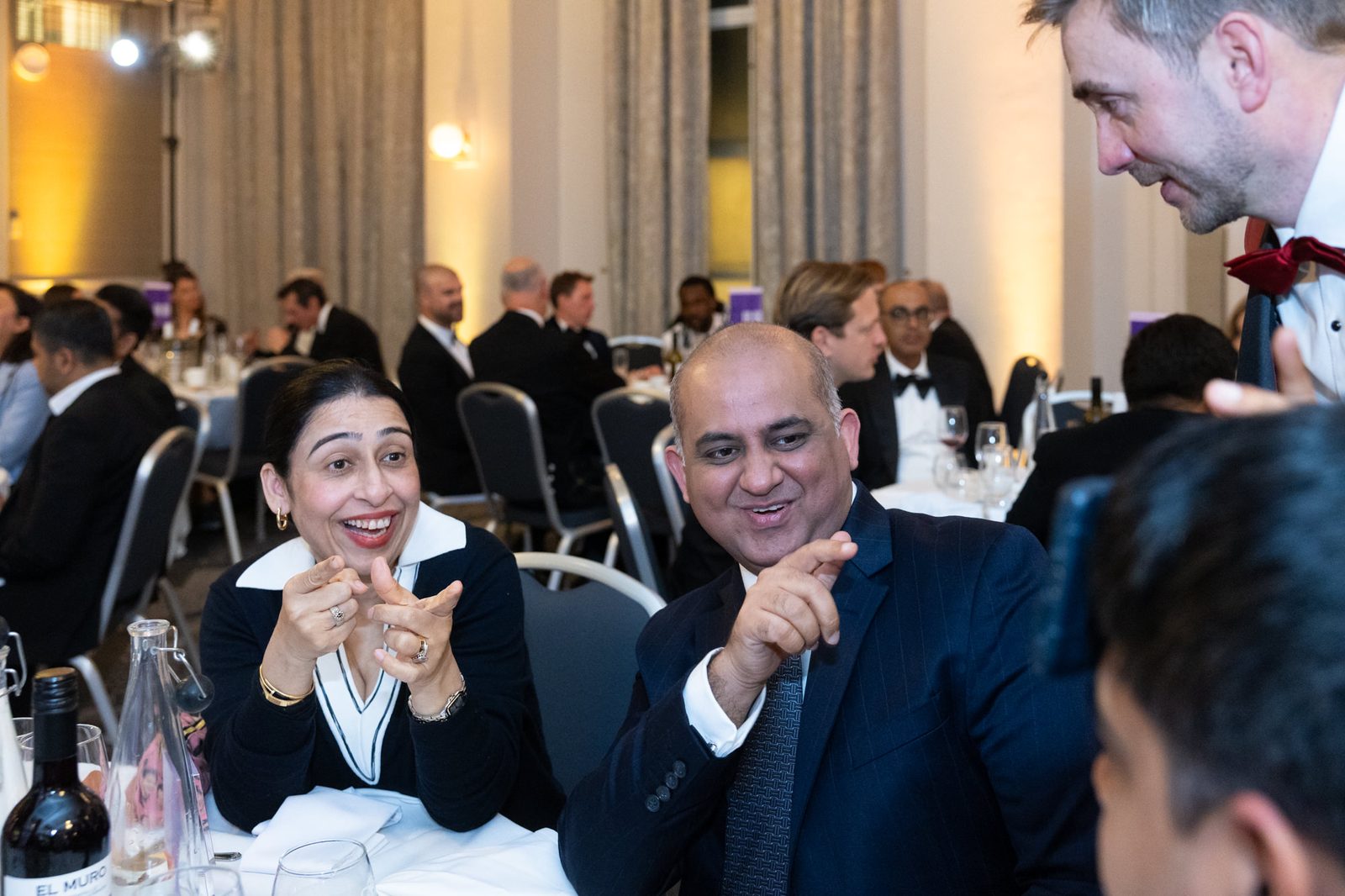
| Show of hands | The room is the punchline | “Hands up if you said ‘you’re on mute’ this year. Now hands up if it was you.” |
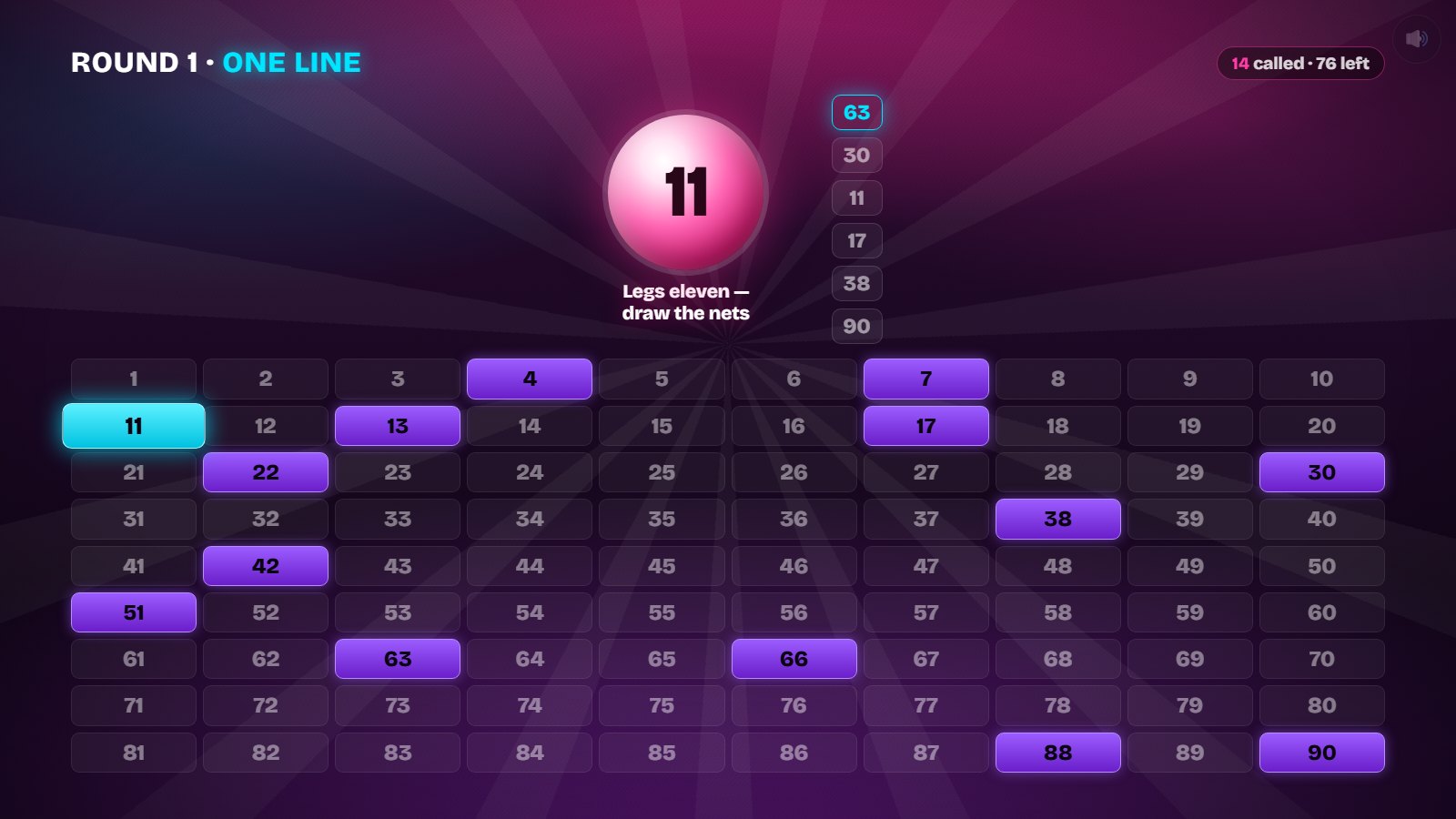
| Laugh handed to the room | A game round makes the guests funny | A Family Fortunes round between categories, with answers from your own office |
A callback refers back to something said earlier, so listeners feel they are in on it. It only works if the first mention was clear, which is why it suits a short night.
The host as target has evidence behind it. A 2013 study of 155 business students, summarised by the APS (read November 2026), found a self-deprecating leader rated more trustworthy than one using no humour, while aggressive humour rated worse than none. The caveats matter: students, one written line, and too much self-deprecation can seem fake.
Culture matters too. Toastmasters (April 2020) notes that in parts of Asia self-deprecation can bring quiet discomfort, not laughs. Watch the room you actually have.
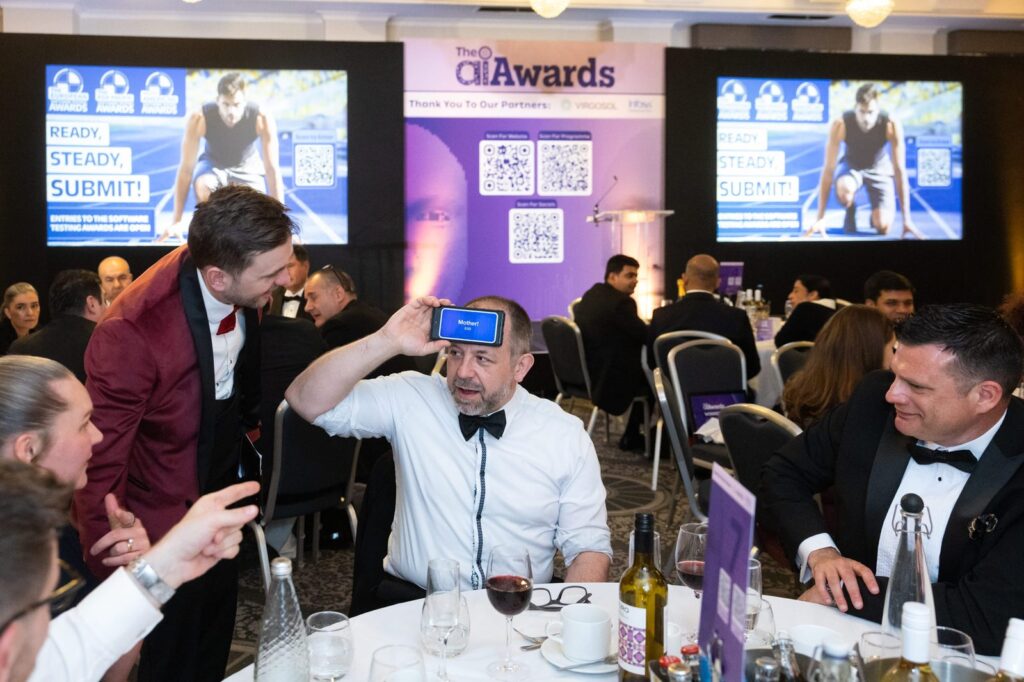
The fifth row is the one I lean on. I build entertaining awards nights with game rounds between categories, so the funniest moments come from your own guests, not from a line I wrote.
What should an awards host never joke about?
An awards host should never joke about a winner, a finalist who did not win, or anyone’s appearance, age, health, background, relationships, religion or beliefs. Those sit close to the nine protected characteristics the government lists under the Equality Act 2010.
Section 26 of that Act defines harassment as unwanted conduct related to a protected characteristic that violates dignity or creates a hostile or humiliating environment. It weighs how the person experienced it, the context and whether that reaction was reasonable. “Banter” is not a defence you choose.
Acas (read November 2026) lists work social events as higher risk and names people at events among third parties. I am not a lawyer, so treat this as a prompt. The longer lists live in Christmas party awards and funny office awards.
Add three more to leave out: company news the room is anxious about, a finalist’s near miss, and a sponsor’s money. Ask the client in the briefing what is sensitive this year.
How do you test awards host jokes before the night?
You test awards host jokes by writing them down, sending them to the client and reading them as if you were the person at table six. A joke that survives all three is allowed on stage. Toastmasters’ six rules say to consult others about risky jokes, and note that self-deprecation carries less risk because you are the one who might be offended.
- Write the line out in full. If you cannot, you have a mood, not a joke.
- Send the script to the person who knows the room. I go through the script with my client in a call before the event and again the day before.
- Ask who might be in the middle of something this year. A redundancy round or a lost bid changes everything.
- Remove any line whose punchline is a person.
- Leave a pause after each joke. The same Toastmasters article warns that rushing to the next one can kill the last.
An awards night organiser put the value of that preparation in their own words on my reviews page: “He was always available on the phone, always available on email. We had a couple of calls and then a Teams call with our CEO to work out the finer details of the night.” (Client video, awards night organiser.)
What if a joke dies or a guest answers back?
If a joke dies, leave it dead: take the pause, then go straight to the next name with full energy. Explaining or repeating a flat line makes it worse, and applause for the next winner repairs most of it. That is general advice, not a rule from a particular night.
A guest who answers back is a different problem. The simplest safeguard I know is to hold the microphone. While it stays in my hand I keep control, and if I pass it over I may have to politely wrestle it back. My longer guide to handling hecklers covers the rest.
When is it worth hiring a professional for awards host jokes?
Hire a professional when the person with the microphone is a colleague who has something to lose, when the room is large or mixed, or when nobody can spend a week on the script. A confident in-house host can run a short night of colleagues using the first three structures above, and that is a fair call.
What changes is preparation and judgement. I do a full nominee briefing, check how every name is said and run the script through with your team. Clients have told me that when a senior colleague hosted, it got awkward, because they tried to present instead of enjoying the evening as a guest.
A professional also shifts the laughs to your guests. My award host work includes game rounds between categories, and my guide on how to emcee an awards night covers pacing. For the links between awards, see the awards host script.
What to have ready when you get in touch
Have the date, venue, number of guests, the draft running order and any sensitive topics ready. A rough list is enough. Tell me what went wrong at the last awards night and I will say honestly whether you need a professional or can run it yourselves. A briefing guide lists the rest.
Call 07596 851647 or email hello@eventhost.info.