In short
- The best corporate networking event ideas solve the actual problem: most people find networking genuinely unpleasant, not just mildly awkward.
- Research from INSEAD found networking can make people feel physically and morally uneasy, which is why “mingle and see what happens” formats fail so often.
- Structured formats, speed rounds, hosted icebreakers, assigned conversation starters, outperform open mingling because they remove the hardest part: starting.
- A good host or facilitator does more for a networking event than a better venue or a bigger guest list.
- Corporate mixer ideas that build in a shared activity give people something to talk about besides their job title.
Most corporate networking event ideas focus on the wrong variable. They obsess over the venue, the catering, the guest list, and treat the actual mingling as something that will just happen once good people are in a good room. It rarely does. Here is what the research says about why networking events fail, and the formats that get people talking instead of hovering near the exit with a warm glass of wine.
The good news is that the fix does not need a bigger budget. It needs a plan for the ten minutes after people arrive, when most networking events either find their feet or quietly fall flat.
Why do so many people hate networking events?
Most people hate networking events because the format itself creates the exact anxiety it is meant to remove. Research from INSEAD found that networking can make people feel morally and physically uneasy, not just nervous, because approaching strangers to extract professional value from them cuts against normal social instincts.
That discomfort is not limited to introverts. BBC Worklife has covered the same problem from the attendee’s side: a room of strangers, forced small talk, and an unspoken pressure to “perform” professionally is draining for almost everyone, whatever their personality type. If your event’s whole plan is “put good people in a room and let them mingle,” you are relying on a skill most attendees actively dislike using.
How do you host a networking event that people actually enjoy?
You host a networking event people enjoy by removing the hardest part of networking: starting a conversation with a stranger. Every structural decision, from the format to who is running the room, should be aimed at that one problem.
The CFA Institute’s research on common networking mistakes points at a related issue: people default to narrow outreach and weak follow-up because the event gave them no natural reason to talk to anyone outside their existing circle. A well-hosted event actively engineers those introductions rather than hoping they happen.
Practical fixes that work:
- A host who actively introduces people rather than leaving guests to find each other.
- A clear, short agenda so people know when to mingle and when a structured activity will start.
- Name badges that include something more useful than a job title, such as a fun fact or a “ask me about” prompt.
What corporate networking event ideas work best?
The corporate networking event ideas that work best are the ones with structure built in, rather than open mingling with no plan. Speed networking, hosted round-table discussions, and short facilitated icebreakers all outperform “drinks and see what happens” because they remove the awkward first move. The venue and catering still matter, but they are the supporting cast, not the main event.
Research on professional social networks notes that structured models for professional networking remain under-studied compared to how common they are in practice, which is itself a signal: organisations know structure helps, even without a large body of research to point to. Boardroom.global’s design principles for conference networking make a similar case, arguing that the most effective formats build in multiple structured encounters over the course of an event, rather than one long unstructured mixer.
A few formats worth building an event around:
- Speed networking, in short timed rounds, so nobody is stuck in one conversation too long or unsure how to leave.
- Round-table discussions with a light topic prompt, which gives people something to react to rather than a blank “so, what do you do?”
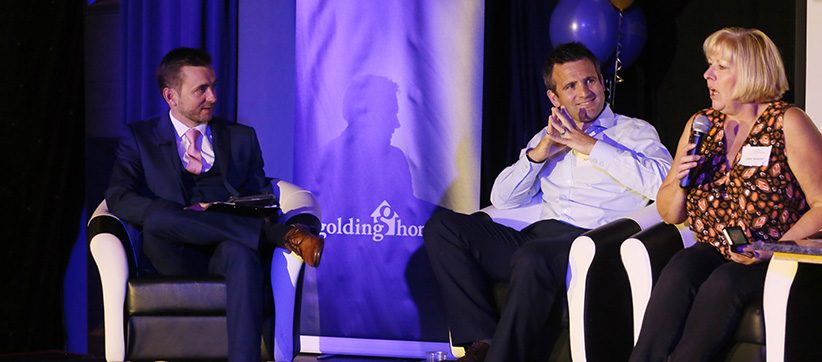
- A hosted Q&A or panel that naturally breaks the ice before the mingling starts, so people have already heard each other speak once.
What are good corporate mixer ideas beyond drinks and canapes?
Good corporate mixer ideas give people a shared activity, not just proximity and a drink. Standing in a room holding a glass is not an icebreaker. Doing something together, even briefly, is.
Mixer formats that work well:
- A short interactive game before the formal mingling starts, which gives everyone a shared moment to reference afterwards.
- A themed quiz round split across small tables, mixing people who do not already know each other.
- A “two truths and a lie” style activity run by a host, light enough to be fun without feeling forced.
The point of all three is the same: give people something to talk about that is not their job title or their company’s quarterly numbers.
Good networking icebreaker ideas
Good networking icebreaker ideas give people a specific, low-stakes prompt rather than asking them to introduce themselves cold. “Tell me about yourself” is one of the hardest opening lines in professional life. A structured prompt removes that burden entirely, because it hands people something concrete to say instead of asking them to invent an opener on the spot.
Icebreakers that consistently work:
- A card or app-based prompt with a specific, non-work question (“what is the last thing you got genuinely excited about”).
- A rapid-fire round where each person answers the same fun question in turn, run by a host to keep pace.
- A simple matching game, where attendees find someone with something specific in common before the main event starts.
- A short group challenge with a light stake attached, such as a table quiz round, which naturally seeds conversation once the formal networking starts because people already have something shared to talk about.
None of these need to be elaborate. The value comes from removing the blank-page problem of starting a conversation, not from how clever the prompt is.
How do you make a networking event less awkward?
You make a networking event less awkward by putting someone in charge of the room’s energy, not just its logistics. A CIPD style approach to any workplace event, treating the experience of attendees as seriously as the outcome, applies just as well to a networking event as it does to internal culture.
The single biggest lever most organisers underuse is a host. A good host reads the room, notices who is standing alone, and actively engineers introductions rather than leaving people to fend for themselves. That one decision does more for how a networking event feels than almost any other choice on the planning list, including venue and catering.
It is worth deciding this early rather than as an afterthought. A host who is briefed on the guest list, the goal of the event, and roughly who should be meeting whom can spend the whole evening quietly making that happen, which is a very different experience from a host who is only there to keep to time.
Quick answers: corporate networking event ideas
What is the best format for a corporate networking event? Structured formats such as speed networking, hosted round tables, or a short icebreaker activity before open mingling, because they remove the hardest part: starting the conversation.
Why do people dislike networking events? Research from INSEAD found that networking can trigger real discomfort, not just mild nervousness, because it asks people to extract professional value from strangers, which cuts against normal social instincts.
What are good icebreakers for a networking event? Specific, low-stakes prompts rather than open introductions: a fun-fact card, a rapid-fire question round, or a simple “find someone who” matching activity.
Do networking events need a host? Not strictly, but a good host who actively makes introductions and reads the room usually does more for the event than a better venue or bigger budget.
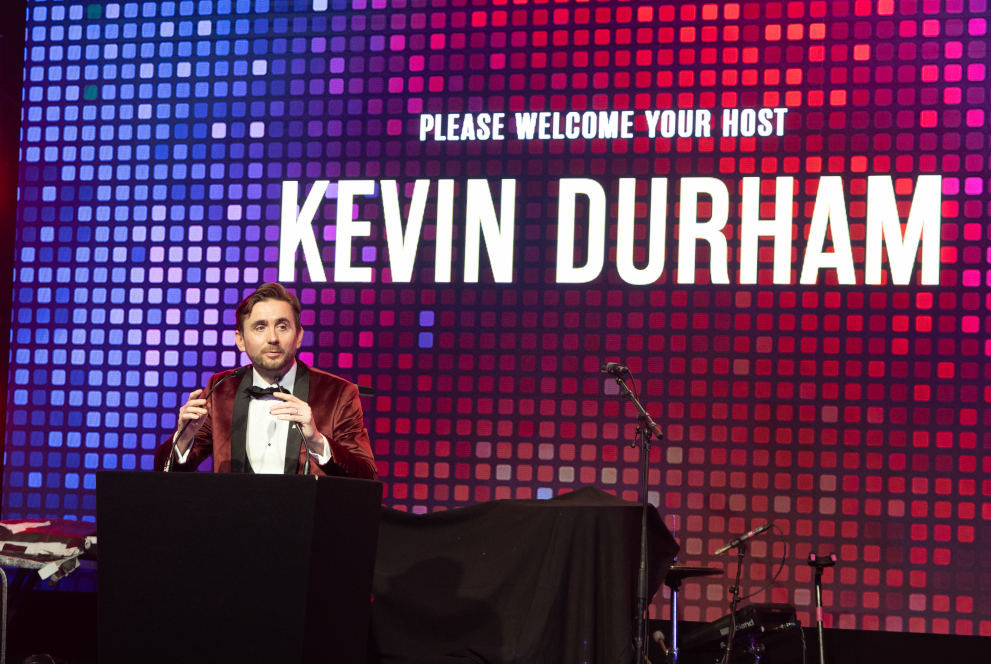
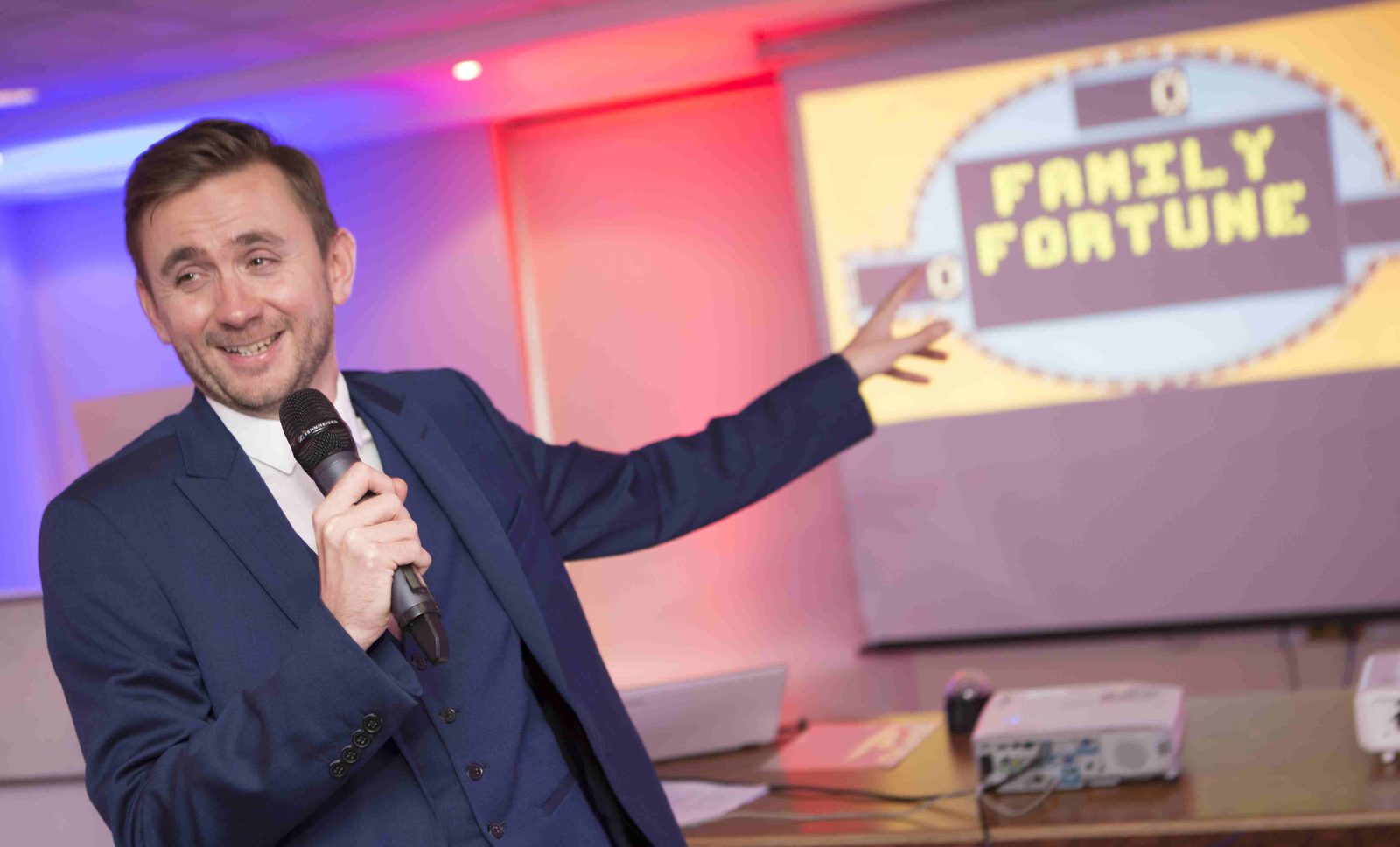
If you are planning something bigger than a standard mixer, an event host who runs interactive icebreakers and keeps the room moving will get people talking far faster than a stack of business cards ever will.