
- Home
- Blog
- Event Host Blog
- Employee award categories: 30 ideas for your staff award ceremony
Employee award categories: 30 ideas for your staff award ceremony
 By Kevin Durham, event host and MC
26 October 2026 · updated 24 October 2026
8 min read
In short
- Good employee award categories fall into six types: performance, values, team, customer, leadership and growth, and long service.
- Pick 8 to 12 categories for one evening. Past 12, split the presentations into short blocks or the room starts to fade.
- Write the criteria for each category before nominations open, and define “new” or “early career” by time in the role, never by age.
- Keep long service awards to milestones and check the tax rules before you buy the gift.
- Save the headline award for last, and give the room something to do between presentations.
Choosing employee award categories is the first real decision in planning a staff award ceremony, and it shapes everything after it: who gets nominated, how long the night runs and whether the people who don’t win still enjoy it. I host award ceremonies, so I see what a category list does to a room by the time dessert arrives. Below are 30 serious categories, grouped by type, with a line on what each one rewards.
If you’re at the start of the process, there’s a full guide to planning an award ceremony. Comic titles for the office are a separate job, so this list sticks to the awards people put on their CV.

What are employee award categories?
Employee award categories are the named awards in your ceremony, each one built around a single kind of contribution. A good set covers results, behaviour, teamwork, customers, leadership and loyalty, so that people in very different jobs all have a realistic route to a nomination.
Large public schemes show the pattern. The Civil Service Awards in 2020 ran 16 categories, from Project Delivery to Developing People. The NHS Excellence Awards 2026 list ten categories, including Leadership, Quality Improvement and Valuing Our People. Your company needs fewer categories than the NHS. The spread is the same.
Employee award categories for performance and results
These award categories for employees reward what got done. Judge them on outcomes, with before and after figures where you have them.
- Outstanding Contribution Award: the single piece of work that made the biggest difference this year.
- Project of the Year: a project delivered on time, with a result you can measure.
- Innovation Award: an idea that changed how the work is done, not just a good suggestion.
- Problem Solver Award: the person who fixed the thing everyone had learned to work around.
- Business Growth Award: new revenue, new clients or a new market. Judge on performance against target so part-time staff can compete.
- Operational Excellence Award: the people in IT, finance, facilities or logistics who keep everything else running.
Which staff award categories recognise values and behaviour?
Values awards reward how people work rather than what they deliver: your company values, inclusion, wellbeing, sustainability and safety. They’re the hardest to judge, so ask nominators for one specific moment rather than a string of adjectives.
- Values Award: one per company value, or a single award for the person who lives them best. Six values would mean six awards, so the single version is kinder to the running order.
- Inclusion Champion: someone who made the workplace work for more people.
- Wellbeing Champion: the colleague who set up the walking group, the mental health network or the quiet room.
- Sustainability Award: a change that measurably cut waste, energy or travel.
- Health and Safety Award: someone who spotted a risk and fixed it before anyone got hurt.
What are good team awards ideas?
The best team awards ideas reward groups and connections, not individuals: the best team, the best partnership across departments and the people whose work nobody sees. Team awards also put more people on stage, which does the room a favour.
- Team of the Year: judged on what the team achieved together, not on its size.
- Collaboration Award: two or more departments that solved something neither could solve alone.
- Behind the Scenes Award: the support function whose work only shows when it stops.
- Partnership Award: a supplier, contractor or client relationship that delivered for both sides.
- Peer’s Choice Award: voted for by colleagues, with one vote each and no voting for your own team.
Award categories for customer and service work
Customer categories work best when the evidence comes from customers. Time the nominations around National Customer Service Week, which runs in the first week of October each year.
- Customer Service Award: consistently great service, backed by feedback scores or comments.
- Customer Feedback Award: the person named most often, unprompted, in customer reviews.
- Service Recovery Award: someone who turned a complaint into a customer who stayed.
- Frontline Award: for the staff who meet the public every day, in branches, on sites or on the phones.
Which employee recognition awards suit leaders and new talent?
Leader of the Year, Manager of the Year, Developing People, Rising Star and Learner of the Year cover it between them. Define “rising” by time in the role, not by age.
- Leader of the Year: leadership at any grade, not only the job title. The Civil Service version recognised leadership at any grade or role.
- Manager of the Year: nominated by direct reports, which tells you more than a director’s view.
- Developing People Award: the coach or mentor whose team keeps getting promoted.
- Rising Star: a big impact early in someone’s time with you. The Civil Service Awards set this at the first eight years of a career, which lets a 50-year-old career changer win it.
- Learner of the Year: an apprenticeship, qualification or new skill completed this year.
That time-based wording matters. Acas guidance says the same opportunities should be open to everyone regardless of age, and warns against assuming younger staff won’t work hard. “Young Talent” invites exactly that problem.
How should you handle long service and headline awards?
Treat long service as milestones (5, 10, 20 and 25 years, for example) and keep the headline awards for the end of the night. Both need a little homework before you order the trophies.
- Long Service Awards: one presentation for each milestone group, read out together.
- Outstanding Career Award: for someone retiring or marking decades in the industry.
- Community Award: volunteering or charity work, inside or outside work. A separate guide to volunteer awards follows later this week.
- Chair’s Award: chosen by the leadership team, presented just before the headline award.
- Employee of the Year: the headline award, with its own guide coming later this week.
On the legal side, the Equality Act exception for length of service covers benefits for up to five years without further justification. Beyond five years, the employer needs to reasonably believe it meets a business need. On tax, HMRC guidance (as updated in October 2026) exempts a non-cash long service award after at least 20 years, up to £50 per year of service. Cash awards don’t qualify. Check both with HR before the night.
How many employee award categories can one night carry?
Eight to 12 is comfortable for one evening. Past 12, break the presentations into blocks or the room starts to fade, because a standard ceremony drags for everyone who isn’t winning.
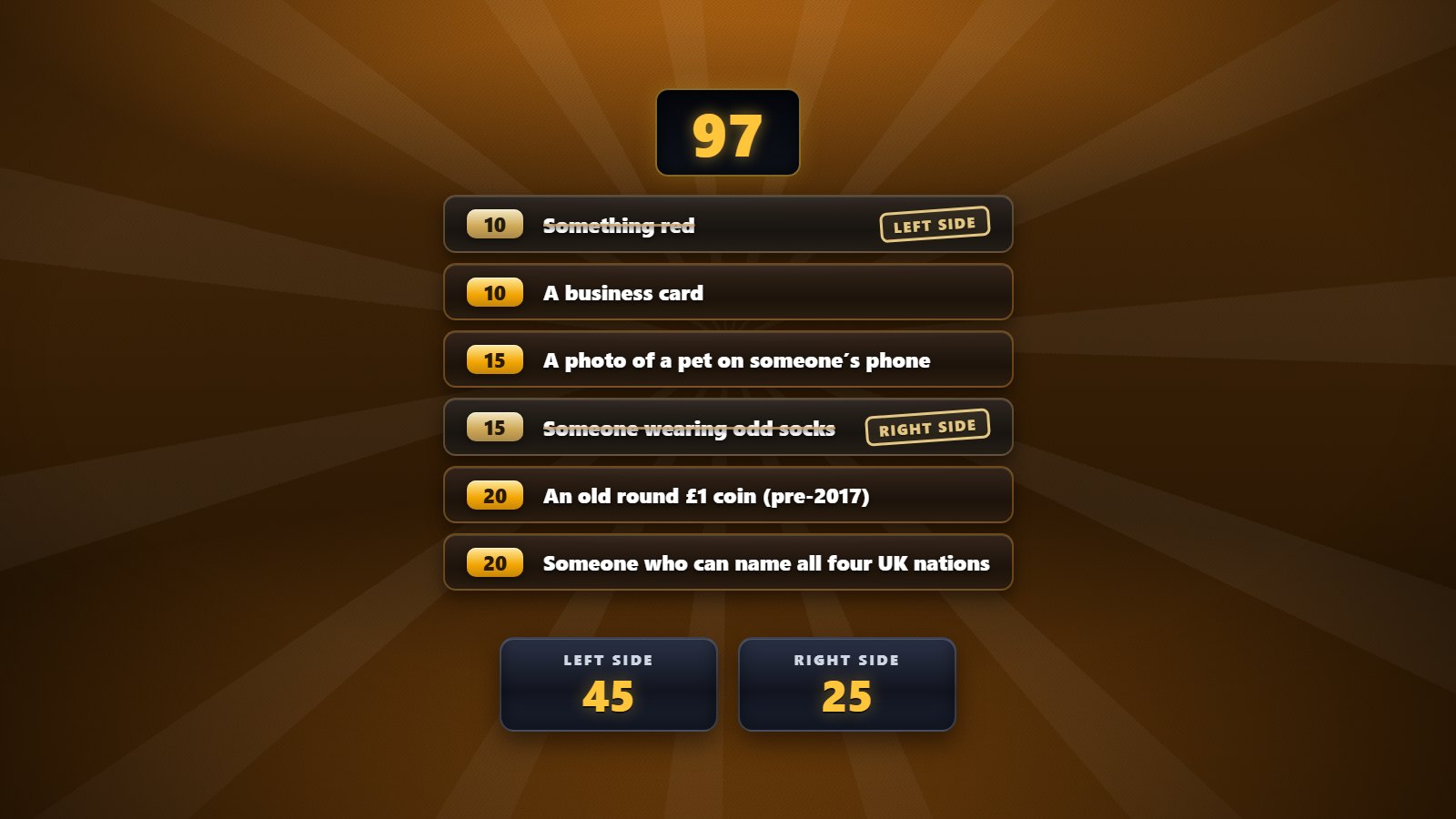
I’ve watched it happen. For a corporate Christmas party with twelve awards, the client was worried the night would drag. We built the schedule together: four awards, then a round of Family Fortunes, then four more, with a table game over dinner. The awards hybrid kept the room clapping through to the last trophy. In the client’s words, “The energy in the room was amazing, everyone was clapping and laughing.”

How do you keep award categories for work fair and inclusive?
Publish the criteria before nominations open, let anyone nominate, and make sure the ceremony itself works for everyone who might win. People notice when the same three faces win every year.
Fairness is not a given. Gallup found in 2022 that only 32% of employees in its US study strongly agreed they get fair and equitable recognition at work. Done well, it pays off: a 2024 Gallup and Workhuman study found well-recognised employees were 45% less likely to have left two years later.
A short checklist:
| Check | Why |
|---|---|
| Criteria written before nominations open | Nominators answer the question you actually asked |
| Judged on evidence, not popularity | Quieter staff and remote workers get a fair hearing |
| Part-time and remote staff eligible for every category | Nobody is ruled out by their working pattern |
| Step-free stage and accessible seating | A winner shouldn’t have to explain why they can’t walk up |
| Category names checked for age or gender coding | Discrimination law covers any aspect of work |
Acas is clear that disabled staff may need reasonable adjustments, and that giving everyone exactly the same conditions is not enough. Ask finalists in advance whether they need anything for the walk-up. For the nomination stage, send nominators a guide on how to write a nomination so the strongest entry wins, not the best-written one.
Running the categories on the night
Your categories decide the shortlist. The host decides whether the room is still with you for the last envelope.

Between the blocks, I run game-show rounds on my own software, with Family Fortunes questions written for your organisation so the “survey says” answers come from your own staff. If you’d like more ways to thank people across the year, there are recognition event ideas too.
More awards guides
- Funny office awards for a Christmas party or team night.
- Awards ceremony music: walk-up stings, background tracks and licensing.
- Employee appreciation day ideas, and when it is.
Your winners will remember getting on stage. Everyone else remembers whether the room stayed alive. One host. The whole evening. If you’d like an award host to run yours, call me on 07596 851647 and tell me how many categories you’re planning.