
- Home
- Blog
- Event Host Blog
- How to announce award finalists: how many, when, and the night itself
How to announce award finalists: how many, when, and the night itself
 By Kevin Durham, event host and MC
22 November 2026 · updated 11 November 2026
6 min read
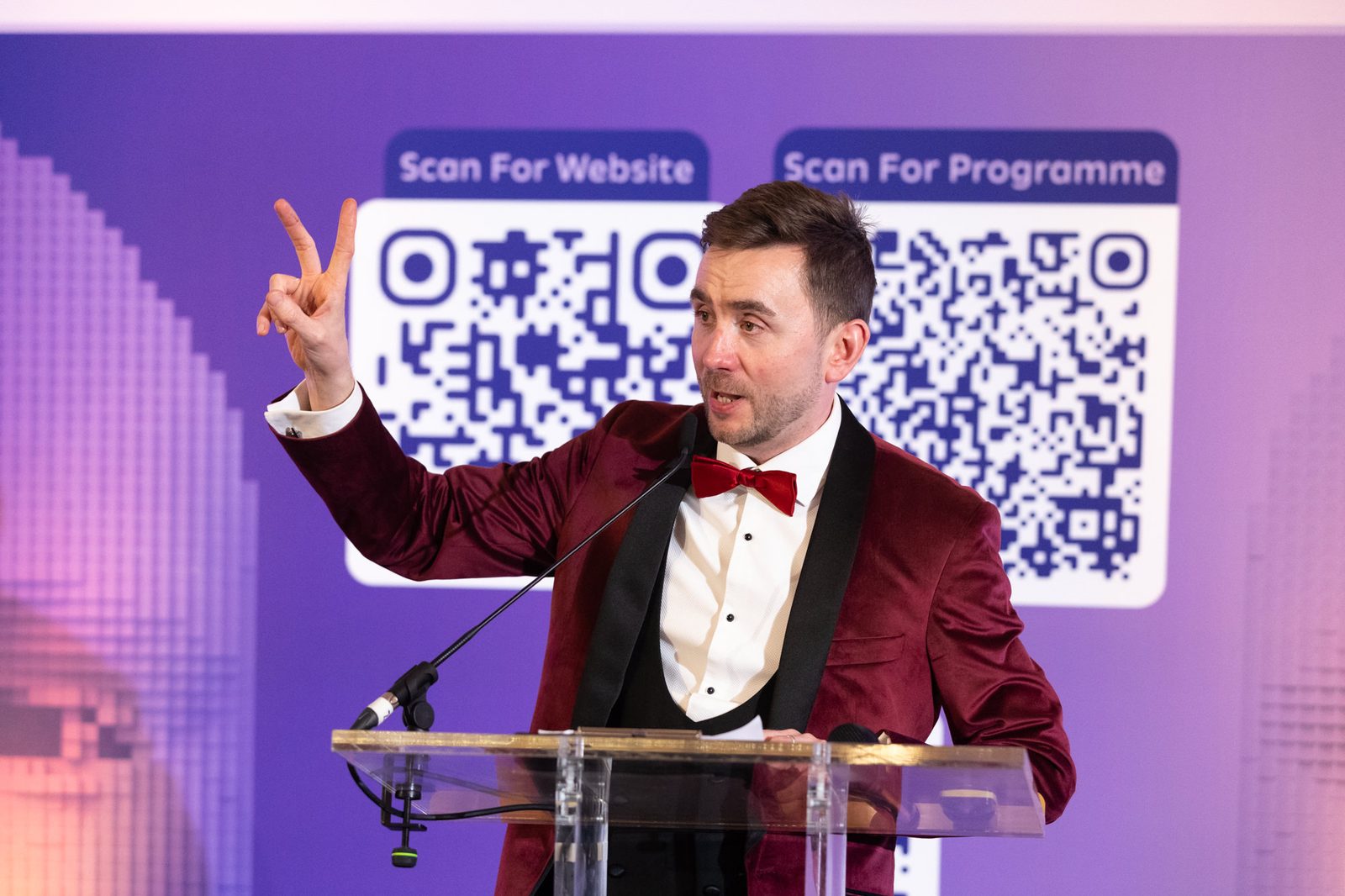
How to announce award finalists is a question of timing and wording before it is a question of publicity. A finalist is a person, team or entry judged into the final group for an award that has not yet been given, and the announcement is the first time most of your audience learns who they are. This is for the awards or comms manager choosing a shortlist size and a date. I am Kevin Durham, an event host: I do not judge, and the parts from the stage are marked as mine.
In short
- Published schemes vary hugely: four finalists per category at one, 10 to 15 at another. Choose yours by how many names you will read out, not by a norm.
- Five UK schemes I checked in November 2026 announced finalists between about six and twelve weeks before the ceremony. That is observed practice, not a standard.
- Tell finalists personally before you publish, and say in writing what you will publish about them.
- Publish finalists unranked, and keep the winners with as few people as possible.
- Give your host the final list with name spellings, and route every later change through one person.
How many finalists should each award category have?
Each category needs enough finalists to be a real contest and few enough to read out within your running time. No published standard exists. Three UK schemes show how far practice varies (pages read November 2026).
| Scheme | Categories | Finalists per category |
|---|---|---|
| Great British Theatres 2026 | 10 | 4 in seven, 5 in two, 8 in one |
| UK Pensions Awards 2026 | 36 | 2 to 10, most 6 to 9 |
| British Diversity Awards 2026 | 17 | 10 to 15 |
A single headline award is different. EY says it picked ten businesses from a shortlist of 90 for its 2026 UK Entrepreneur Of The Year award.
The arithmetic is yours to run. Take twelve categories. At four finalists that is 48 names; at twelve it is 144. At five seconds a name, the figure in my guide to the awards host script, that is four minutes of reading against twelve, before any applause. My suggestion, not a published rule: if every name is read aloud, keep to four to six a category. If names only go on a website, a longer list costs you nothing on stage.
How to announce award finalists: how many weeks out?
Announce finalists about six to twelve weeks before the ceremony, long enough for finalists to book tables and tell their teams, and short enough for the news to stay fresh. These dates come from published pages, read November 2026.
- UK Pensions Awards: finalists on 19 March, gala on 11 June 2026. That is 12 weeks.
- Great British Theatres Awards: finalists on 9 September, ceremony on 2 November 2026, just under eight weeks.
- Fit Out Awards UK: the shortlist appeared when the 24 September 2026 gala was just under two months away.
- Inspiring Workplaces Awards 2027: finalists on 18 March, winners on 13 May, eight weeks apart.
- British Journalism Awards: shortlist on 27 October, gala on 10 December 2026, just over six weeks.
A published shortlist gives every finalist a reason to book a table and bring colleagues. That is reasoning, not a measured result. Work back from your own deadlines for tickets, printing and the host’s script, which my awards planning guide lays out.
How do you tell finalists first, and what may you publish?
Tell each finalist personally before the public list goes out, state in writing what you will publish, and hold the list until an agreed date and time. The ICO’s own notice for its data protection officer award, read November 2026, says it contacts shortlisted nominees, publishes their name, organisation and reason for nomination, and asks nominators to make sure the nominee knows.
Put the same promise in your entry terms. The ICO’s lawful-basis guide says you must determine your basis before you start using personal information, and should not swap later without good reason. That includes finalist photographs on screen. I give no legal advice: take your own.
An embargo is an agreement, not a rule. A PR-software vendor’s guide, read November 2026, quotes a comms practitioner saying that if a journalist does not agree to an embargo before receiving the material, there simply is no embargo. Another says breaks bring no severe consequences. Send the list only to people who accepted the terms, and put the date, time and time zone in the first line.
The finalist pack finalists will use
A finalist pack contains the logo in light and dark versions, a ready-written announcement, social images at the sizes platforms use, a tagging request and rules for using the logo. The Men’s Sheds Awards 2026 finalist toolkit offers a press release template, colour and white logos, four banner sizes, a LinkedIn announcement image, sample post ideas and a request to tag the organiser and use the awards hashtag.
That page names no date before which finalists may share. Add one, and say the word is “finalist”, never “winner”. The wording in my nomination guide tells entrants how to promote a shortlisting, so send it with the pack.
How do you keep winners secret once finalists are public?
Publish finalists in alphabetical or random order, never ranked, and tell the winners to as few people as the decision needs. Fit Out Awards UK says its Fit Out Leader and Fit Out Project of the Year awards will be announced exclusively on the night. Press Gazette says one British Journalism Awards shortlist will follow after a second round of judging, so a list can arrive in stages.
At the venue, treat every finalist table alike. A table moved forward on the day gives the result away, which my seating plan guide explains. A reveal event for finalists is a choice, not a requirement: it suits a small community, and costs a room, a date and a script.
What if the finalist list changes after you announce it?
Correct the list where you published it, tell the affected finalists first, and give your host a replacement line, not a new script. Name one person who owns the master list. The British Diversity Awards finalist page gives an events email address for changes to finalist information, which is a simple way to show entrants where changes go.
I have handled a finalist list that changed at the last minute. I go through the script with the client on a call before the event and again the day before, so the list has been checked twice before I walk on. Before doors, check that the printed programme, the screen and my card agree.
How to announce award finalists on the night
On the night the published list becomes names read aloud, so the host needs every spelling, the reading order and where each finalist sits. I break every name down phonetically. If the client is unsure of a name, I find the person and check how it is said. My emcee guide has the names routine in full.

When is it worth hiring a professional host for the finalists and the night?
Hire a professional host when the list is long, the names are many or unusual, the list may still move, and nobody on your team is free to hold names and the room together. The judging panel owns the result. I host, I do not judge.
DIY is the right call for a short list at a team meeting, read by a confident colleague from a card. A professional earns the fee when the person who ran the shortlist would otherwise be hosting too.
My preparation is a briefing on the nominees, pronunciation checks and a run-through with your team. An awards night organiser says on my reviews page: “We had a couple of calls and then a Teams call with our CEO to work out the finer details of the night.” Voice of God announcing is included at no extra fee when I host. My award host page explains how I work, and the entertaining awards case study shows a long list broken up with games. My guide to briefing a host lists what to send.
What to have ready when you get in touch
Have the date, the number of categories, how many finalists each has, the day the list is final, the name spellings and who owns the master list. Add what went wrong last time. Call 07596 851647 or email hello@eventhost.info.